11 mins read
Why Allergy & Immunology Practices Need Offshore Billing in 2026
Allergy and immunology is one of the most billing-intensive specialties in medicine. A single patient visit can generate claims for an office E/M, 40-80 individual skin prick tests, antigen preparation, immunotherapy injections, and biologic drug administration — each billed as a separate line item with its own code, unit count, and documentation requirement.
In 2026, payers have tightened prior authorization rules for allergy testing panels, immunotherapy initiation, and biologic medications (omalizumab, dupilumab, mepolizumab, benralizumab, tezepelumab). Step therapy documentation, severity scores, and failed treatment records are now mandatory for biologic approvals. For a specialty that already generates 3-5x the claim volume of a typical primary care visit, the administrative burden is unsustainable with a small in-house billing team.
InfoHub Consultancy supports medical billing, coding, and revenue-cycle workflows for U.S. healthcare providers. Discuss your needs and proposed scope with our team.
Get a Free Consultation →A dedicated ICS offshore FTE at $8.5/hr per hour handles the entire allergy billing workflow — from verifying pre-authorization status to calculating biologic drug units to managing the 90-180 day A/R cycle that biologic claims frequently require. This guide covers the critical codes, payer rules, and documentation requirements your offshore team must know.
Allergy Testing: Skin Prick, Intradermal & In-Vitro Codes
Allergy testing billing is uniquely complex because each individual allergen tested is a separate billable unit. A standard panel of 50 skin prick tests generates 50 units of CPT 95004 on a single claim — and payers scrutinize every unit.
Percutaneous (Skin Prick) Testing Codes
| CPT Code | Description | Unit Basis | Typical Panel Size |
|---|---|---|---|
| 95004 | Percutaneous skin prick test | Per allergen tested | 40-80 allergens |
| 95017 | Percutaneous test with venoms | Per venom tested | 5-6 venoms |
| 95018 | Percutaneous test with drugs/biologicals | Per drug tested | Varies by indication |
Intradermal Testing Codes
| CPT Code | Description | Unit Basis | Key Rule |
|---|---|---|---|
| 95024 | Intradermal (immediate) skin test | Per allergen | Sequential after negative prick test |
| 95027 | Intradermal (immediate), sequential/incremental | Per allergen | Tiered concentration testing |
| 95028 | Intradermal (delayed), 72 hours | Per allergen | Delayed hypersensitivity only |
In-Vitro (Blood) Testing
| CPT Code | Description | When to Use |
|---|---|---|
| 86003 | Allergen-specific IgE, each allergen | When skin testing is contraindicated |
| 86005 | Multi-allergen IgE screen (qualitative) | Initial screening before specific testing |
| 86008 | Component-resolved IgE testing | Peanut/tree nut molecular profiling |
| 82785 | Total serum IgE level | Baseline before biologic therapy |
Payer-Specific Panel Limits and LCD Rules
Medicare diagnostic testing: Check the active Medicare Administrative Contractor (MAC) policy for the practice’s jurisdiction and date of service. CMS guidance requires patient-specific documentation and medical necessity for reported allergy-test units. For inhalant evaluation, its current article gives examples of up to 70 percutaneous tests and up to 40 intracutaneous tests when percutaneous tests are negative; patch testing may require 80-90 tests. These are Medicare policy examples, not universal payer limits. See CMS article A60391 and LCD L40341.
Commercial payer requirements: Testing limits and prior-authorization rules vary by plan. Check the member’s current policy and authorization requirements for the specific service and date; do not assume one test-count cap applies across plans.
Medicare immunotherapy source: For subcutaneous allergen immunotherapy (SCIT), CGS article A59981 and LCD L40056 apply to its listed J-15 jurisdiction. The older A57472 article was retired in October 2025. Confirm the active MAC policy for the practice and date of service; one MAC article does not establish requirements for every Medicare claim. See CGS article A59981 and LCD L40056.
Allergen Immunotherapy Coding and Billing
Immunotherapy billing involves two distinct components: antigen preparation (compounding the allergen extract) and injection administration. These are billed separately, and the rules for each differ depending on whether the practice prepares its own antigens or uses pre-mixed extracts.
Antigen Preparation Codes
| CPT Code | Description | Billing Rule |
|---|---|---|
| 95144 | Single-dose vial antigen preparation, 1 antigen | Per vial; practice compounds from concentrate |
| 95145-95149 | Single-dose vial, 2-5+ antigens | Tiered by number of antigens in the vial |
| 95165 | Multi-dose vial preparation, per dose | Most common; bill per dose in the vial |
| 95170 | Whole body extract preparation (venom) | Hymenoptera venom immunotherapy |
Injection Administration Codes
| CPT Code | Description | Key Distinction |
|---|---|---|
| 95115 | Single injection, extract not included | Use when extract billed separately via 95165 |
| 95117 | Two or more injections, extract not included | Multiple injection visits; extract billed separately |
| 95120 | Single injection, includes extract | Use when practice prepares + administers |
| 95125 | Two or more injections, includes extract | Multiple antigens; preparation included |
Critical Distinction: CPT 95115/95117 do NOT include the antigen — they are injection-only codes. The antigen preparation (95165) is billed separately. CPT 95120/95125 include both preparation and injection. NEVER bill 95165 + 95120 together — that double-counts the antigen.
Supervision Requirement: A physician or NPP must be present in the office suite during the entire post-injection observation period (typically 20-30 minutes). Claims billed without documented physician supervision on-site may be recouped on audit.
How Offshore FTE Teams Manage Immunotherapy Billing
- Track each patient’s immunotherapy schedule (build-up phase vs. maintenance phase) to ensure correct frequency billing
- Verify antigen preparation units match the compounding log — a common audit finding is unit count discrepancies
- Confirm physician supervision documentation is present for every injection visit before claim submission
- Monitor vial preparation dates and expiration to prevent billing for expired antigens
- Reconcile injection visit counts against antigen preparation billing to detect over- or under-billing
Biologic Drug Billing: The Revenue-Critical Category
Biologic medications represent the highest-dollar claims in allergy and immunology. A single omalizumab (Xolair) injection can generate $1,500-$4,000 per administration, and dupilumab (Dupixent) runs $1,800-$3,500 per dose. Correct billing of these high-cost drugs requires precise J-code selection, accurate unit calculation, and meticulous prior authorization management.
Key Biologic J-Codes for Allergy/Immunology
| Drug (Brand) | HCPCS Code | Billing Unit | Typical Dose |
|---|---|---|---|
| Omalizumab (Xolair) | J2357 | 5 mg | 150-375 mg q2-4 weeks |
| Mepolizumab (Nucala) | J2182 | 1 mg | 100 mg q4 weeks SC |
| Benralizumab (Fasenra) | J0517 | 1 mg | 30 mg q4-8 weeks SC |
| Dupilumab (Dupixent) | J3490/J3590 | Report actual mg | 200-300 mg q2 weeks SC |
| Tezepelumab (Tezspire) | J3490/J3590 | Report actual mg | 210 mg q4 weeks SC |
Biologic Unit Calculation
Omalizumab Example: J2357 is billed per 5 mg. A 300 mg dose = 60 units of J2357. A 375 mg dose = 75 units. Incorrect unit calculation is the #1 cause of omalizumab underpayment. Your ICS FTE calculates and verifies units before every claim submission.
Unclassified Drug Codes: Dupilumab and tezepelumab are billed under J3490 (unclassified drug) or J3590 (unclassified biologic). These require a cover letter or medical record attachment specifying the drug name, NDC number, dose administered, and clinical indication. Many payers require manual review, which extends the payment cycle to 60-90 days.
Prior Authorization for Biologics
Every biologic in allergy/immunology requires prior authorization from commercial payers and Medicare Advantage plans. The documentation package your ICS FTE assembles includes:
- Confirmed diagnosis with ICD-10 code (J45.x for asthma, L20.x for atopic dermatitis, J30.x for rhinitis)
- Severity score documentation (ACT score for asthma, EASI/IGA for dermatitis)
- Failed step therapy documentation (at least 2 controller medications for asthma biologics)
- Lab results (total IgE for omalizumab dosing, eosinophil count for mepolizumab/benralizumab)
- Prior authorization renewal tracking — most biologics require re-authorization every 6-12 months
Drug Reimbursement Models
Medicare Part B: Biologics administered in the office are covered under Part B at ASP + 6% (Average Sales Price plus 6%). Your FTE monitors quarterly ASP updates from CMS to ensure billed amounts align with current reimbursement rates.
Commercial Plans: Reimbursement varies: some pay AWP minus a percentage, others use contracted rates. Buy-and-bill practices must track acquisition cost vs. reimbursement to ensure the drug margin remains positive.
Essential ICD-10 Codes for Allergy & Immunology
| ICD-10 Code | Description | Common Use |
|---|---|---|
| J30.1 | Allergic rhinitis due to pollen | Seasonal allergies, hay fever |
| J30.2 | Other seasonal allergic rhinitis | Non-pollen seasonal triggers |
| J30.81 | Allergic rhinitis due to animal dander | Cat, dog allergy |
| J30.89 | Other allergic rhinitis | Perennial, dust mite, mold |
| J45.20 | Mild intermittent asthma, uncomplicated | Step 1 asthma |
| J45.30 | Mild persistent asthma, uncomplicated | Step 2 asthma |
| J45.40 | Moderate persistent asthma, uncomplicated | Step 3-4 asthma |
| J45.50 | Severe persistent asthma, uncomplicated | Step 5 asthma; biologic candidates |
| L20.9 | Atopic dermatitis, unspecified | Dupilumab indication |
| L50.0 | Allergic urticaria | Acute/chronic urticaria |
| T78.2XXA | Anaphylactic shock, unspecified, initial | Emergency epinephrine indication |
| T63.441A | Toxic effect of venom of bee, accidental | Venom immunotherapy indication |
| Z88.0-Z88.9 | Allergy status to drugs/biologicals | Drug allergy documentation |
The Offshore FTE Advantage for Allergy Practices
Allergy and immunology generates 3-5x the claim line items of a typical specialty. A single allergy testing visit can produce 50-80 line items, immunotherapy creates recurring weekly billing cycles, and biologic claims require prior authorization management, unit calculation, and extended A/R follow-up. This volume overwhelms small in-house billing teams.
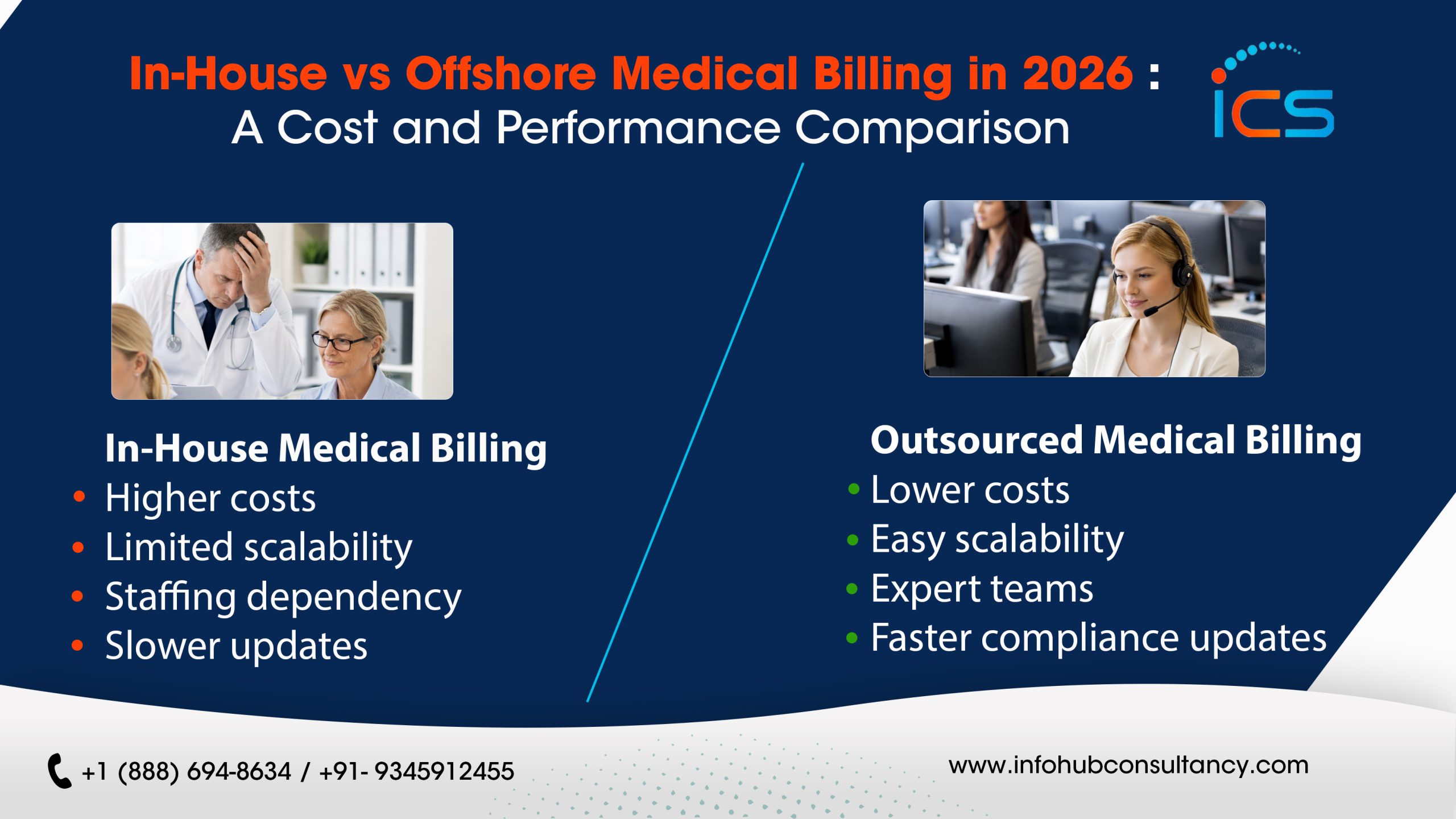
Cost Comparison: In-House vs. ICS Offshore FTE
| Cost Factor | U.S. In-House Biller | ICS Offshore FTE |
|---|---|---|
| Hourly rate | $22-35/hr | $8.5/hr |
| Monthly cost (full-time) | $3,800-6,000 | $1,400 (approx.) |
| Benefits & overhead | $800-1,500/mo additional | Included in rate |
| Biologic PA expertise | Rarely; requires specialty training | Trained on omalizumab, dupilumab, mepolizumab protocols |
| Unit calculation accuracy | Manual; error-prone | Automated verification with QA check |
| Annual turnover | 30-40% | <10% |
| PA turnaround time | 3-5 business days | 24-48 hours |
What Your ICS Allergy FTE Handles Daily
- Pre-visit PA verification for allergy testing panels and biologic administrations
- Skin test unit count verification — matching 95004 units to documented allergens tested
- Immunotherapy schedule tracking — build-up vs. maintenance phase billing accuracy
- Biologic J-code unit calculation and NDC documentation for unclassified drug claims
- PA renewal management — proactive re-authorization 30 days before expiration
- Biologic A/R follow-up — working 60-90 day outstanding claims with payer-specific appeal templates
Top 5 Allergy Billing Denial Triggers and Offshore Prevention
1. Allergy Panel Exceeds Payer Test Limit
Submitting 80+ units of 95004 without prior authorization triggers automatic denials from most commercial payers. Your ICS FTE verifies payer-specific test limits before the patient visit and obtains PA when the clinical plan exceeds the limit.
2. Incorrect Biologic Unit Count
J2357 (omalizumab) billed as 1 unit instead of 60 units for a 300 mg dose results in massive underpayment. Your FTE applies a standardized unit calculation formula for each biologic and verifies units against the pharmacy dispensing record before claim submission.
3. Missing Step Therapy Documentation for Biologics
Payers require documentation of failed step therapy (2+ controller medications) before approving biologic authorization. Your ICS FTE compiles the step therapy timeline from chart notes before submitting the PA request, preventing denials for incomplete documentation.
4. Antigen Preparation Double-Billing
Billing 95165 (multi-dose vial preparation) alongside 95120 (injection with extract included) double-counts the antigen cost. Your FTE applies NCCI edit checks to every immunotherapy claim to prevent this bundling error.
5. Biologic Claim Submitted Without PA on File
High-dollar biologic claims without an active prior authorization are denied immediately. Your ICS FTE maintains a PA tracker for every biologic patient, verifies active authorization before each administration, and initiates renewal 30 days before expiration to prevent gaps.
Start with One Dedicated Allergy Billing FTE
ICS provides HIPAA-compliant, CPC-certified offshore billing specialists with specific training in allergy and immunology billing — including biologic prior authorization, immunotherapy schedule management, and allergy testing compliance.
At $8.5/hr per hour all-inclusive, one FTE handles the billing volume that would require 2-3 part-time U.S. staff. Start with one FTE and scale as your practice grows.
Request a Free Allergy Billing Assessment
FAQs – Offshore Allergy & Immunology Billing 2026
1. What is offshore allergy and immunology billing?
Offshore allergy and immunology billing refers to outsourcing medical billing services to experienced billing teams in countries like India. These teams handle claim submission, coding, denial management, payment posting, and insurance follow-ups for allergy and immunology practices.
2. Why is accurate allergy testing and immunotherapy coding important?
Accurate coding helps providers avoid claim denials, delayed reimbursements, and compliance issues. Proper CPT and ICD-10 coding for allergy testing, immunotherapy injections, and biologic treatments ensures faster claim approvals and better revenue cycle performance.
3. How do offshore billing companies handle biologics reimbursement?
Offshore billing companies manage prior authorizations, eligibility verification, payer-specific documentation, and claim tracking for biologic medications. This helps practices improve reimbursement rates and reduce delays in high-cost biologic therapy payments.
4. What are the benefits of outsourcing allergy and immunology billing to India?
Outsourcing to India offers benefits such as lower operational costs, skilled medical billing professionals, faster turnaround time, reduced administrative burden, and scheduled workflow coverage for revenue cycle management.
5. How can allergy practices reduce denials in 2026?
Practices can reduce denials by using updated coding guidelines, verifying insurance eligibility before treatment, maintaining accurate documentation, and partnering with experienced offshore medical billing specialists who understand payer regulations and compliance standards.
Related reading
If you are looking at automating the authorization step rather than outsourcing it, see our prior authorization software.
n
Need help with this billing workflow?
Review ICS allergy and immunology billing services. For recurring queue capacity, compare a dedicated offshore FTE team, or request a workflow consultation for your payer mix and volume.