Revenue Cycle Management
  Insurance Verification
  Appointment Scheduling
  Charge Entry
  Denials Management
  Medical Billing
  Claims Submissions
  Payment Posting
  AR – Follow-ups
  Medical Coding
  Reporting
  Patient’s Statement
  Authorization
  Charge Review & Auditing (Coding & Billing)
  Compliance & Audit Readiness
  Clearing House & EDI Management
  Credentialing
  View All 65
Specialties
View All 65
Specialties Allergy and Immunology
  Ambulance
 Ambulatory Surgical Center
 Anesthesia
 Assisted Living Facility (ALF)
 Behavioral Health
 Cardiology
 Chiropractic
 Chronic Care Management (CCM)
 Community Behavioral Health
 Dental
 Dermatology
 Durable Medical Equipment
 Emergency Room
 Endocrinology & Diabetes
 Family Practice
 Gastroenterology
 General Surgery
 Geriatrics
 Healthcare
 7 mins read
 The Uniform Data System (UDS) is a yearly reporting system required by HRSA for Federally Qualified Health Centers (FQHCs). It collects detailed information about patient demographics, services, staff, clinical outcomes, and financial performance. This data is not just numbers on a form. Instead, HRSA uses it to measure the quality of care, allocate funding, and ensure that health centers are meeting the needs of their communities. Due to all of this, UDS reporting must be accurate, consistent, and fully compliant with the latest guidelines.
In fact, more than 1,400 FQHCs submit UDS reports each year, covering over 30 million patients across the United States.
However, meeting these standards is not an easy task. This demands the need for offshore medical coding support to ensure the UDS accuracy and compliance. In this blog, we will explore how offshore medical coding helps FQHCs improve UDS accuracy, stay compliant with HRSA guidelines, and reduce the burden on internal teams.
Challenges in Achieving UDS Accuracy and Compliance Goals
The complex rules, frequent updates and heavy administrative demands make it difficult to maintain reliable reporting in-house. It consists of:
- Complex Reporting Requirements
UDS reporting involves multiple tables, detailed forms, and strict formatting rules. As a result, many FQHCs struggle to keep up with these requirements, which increases the risk of reporting errors.
- Frequent Regulatory Updates
HRSA regularly updates UDS guidelines, manuals and Program Assistance Letters. Thereby, staying up-to-date with these changes can be difficult for internal teams already managing heavy workloads.
- Limited Skilled Coding Resources
FQHCs often face shortages of certified medical coders who understand both general coding systems and UDS-specific reporting standards. This shortage makes it hard to maintain accuracy.
- Time-Consuming Data Validation
It requires detailed validation to ensure that all patient encounters, services and outcomes are coded correctly. This process is time-intensive and diverts resources away from patient care, ultimately affecting overall revenue.
- High Administrative Burden
The in-house team often balances patient services with administrative tasks. As a result, UDS reporting adds another layer of responsibility, which results in stress, delays, and sometimes incomplete submissions.
- Risk of Non-Compliance
Even minor errors in reporting can lead to compliance issues, funding delays, or the need for resubmission. FQHCs must maintain audit-ready documentation at all times, which can be challenging without structured processes.
Role of Offshore Coding for Accurate and Compliant UDS Reporting
Accurate UDS reporting is essential for FQHCs to maintain funding, meet HRSA requirements, and demonstrate quality care delivery. Offshore medical coding services in India offer specialized expertise, structured workflows and compliance-focused practices that enable healthcare centers to avoid errors and remain audit-ready.
- Specialized Coders for UDS Reporting
Offshore teams comprise certified medical coders with experience in ICD-10, CPT and HCPCS coding. They also understand UDS-specific requirements such as the Universal Report, Grant Report, and HIT & ODE forms. This expertise ensures accurate data entry and compliance with CMS and HRSA guidelines.
- Standardized Workflows with Quality Checks
Offshore medical billing and coding service providers in India utilize structured workflows that ensure consistency in medical coding and reporting. As a result, quality checks like audits and reviews help catch and correct errors such as missing codes, extra codes or incorrect entries which improves the overall accuracy of UDS submissions.
- Cost-Effective Coding Support
FQHCs save the cost of hiring and training full-time staff by outsourcing medical coding services in India. Offshore models offer reliable accuracy at a lower price to enable the centers to manage budgets without compromising on quality.
- Scalable Teams During Peak Reporting
UDS reporting season and the transition to UDS+ create higher workloads for FQHCs. Offshore teams can quickly scale up to handle increased volumes to allow the internal staff to focus on patient care and daily operations.
- Awareness of Regulatory Updates
Experienced offshore medical coders in India stay updated with HRSA Program Assistance Letters, UDS Manual changes, and new reporting standards. They adapt coding processes to meet modern requirements such as UDS+ and FHIR interoperability.
- Secure and Compliant Coding Practices
Leading offshore medical coders follow HIPAA-compliant processes and maintain secure IT environments. They also handle de-identified patient data carefully to ensure confidentiality and compliance for both UDS and UDS+ submissions.
- Reduced Administrative Burden
Outsourcing coding frees up clinical and administrative staff from reporting tasks. This allows healthcare teams to focus more on patient care while offshore partners handle time-consuming coding and reporting work.
- Stronger Financial and Compliance Outcomes
Accurate coding supports funding applications, grant eligibility, and financial planning for FQHCs. Additionally, audit-ready documentation and transparent processes strengthen compliance during external reviews.
Best Practices for Offshore UDS Coding
A strong partnership not only ensures accurate UDS reporting but also reduces the administrative burden on internal teams. Ultimately, this approach helps health centers stay compliant, improve efficiency, and focus more on patient care.
- Select the Right Offshore Partner
FQHCs should choose an offshore coding partner with certified medical coders who have proven experience in UDS reporting. It is equally essential that the partner adheres to HIPAA-compliant practices and utilizes secure systems to safeguard patient information.
- Define Workflows and Communication
Clear workflows and communication protocols create a smooth partnership between internal staff and offshore coders. When both teams understand their responsibilities and have a system for regular updates, UDS submissions become faster, more accurate, and less stressful.
- Include Quality Assurance Checkpoints
Adding validation steps, audits, and pre-submission reviews helps identify and fix errors before they become compliance issues. These quality checks reduce risks like undercoding, overcoding, or mismatched reporting, and give FQHCs confidence in their final submissions.
- Train and Align Both Teams
Regular training and knowledge sharing are essential to keep both offshore coders and internal staff updated on the latest HRSA guidelines and reporting changes. This alignment ensures that everyone adheres to the same standards and works toward the same compliance objectives.
- Follow a Dual Submission Strategy
FQHCs should prepare for both submission deadlines by planning a dual strategy. In fact, legacy UDS reports must be submitted through EHBs by February 15, whereas UDS+ data must be submitted through FHIR by May 30. The adoption of this approach prevents delays and ensures the hospital’s compliance with HRSA requirements.
Why Info Hub Consultancy Services Makes a Difference
Offshore UDS coding is not only about saving costs, it is also about creating confidence in every report submission. Info Hub Consultancy Services takes this further by helping FQHCs get ready for future reporting needs. With the shift to UDS+ and the growing demand for accurate data, ICS supports health centers with updated coding practices, easy-to-follow workflows, and technology that makes reporting smoother and more reliable.
In fact, the entire ICS team understands both coding rules and the daily challenges faced by FQHCs. They help the hospitals and organizations work more efficiently, reduce errors, and stay compliant every year by combining technical knowledge with practical support. This ongoing support allows healthcare providers to focus more on patient care while building stronger financial and operational stability for the future.
FAQs
Q. Can small FQHCs handle UDS reporting without external help?
Ans: Yes, but most face challenges due to limited coding staff and resources.
Q. What role does HIPAA play in offshore coding?
Ans: It ensures that patient data is secure and handled confidentially.
Q. Is UDS reporting the same as regular medical billing?
Ans: UDS reporting requires specialized tables and compliance rules.
Q. How does UDS+ change the reporting process?
Ans: UDS+ uses FHIR standards for electronic submission of de-identified data.
Related Blogs
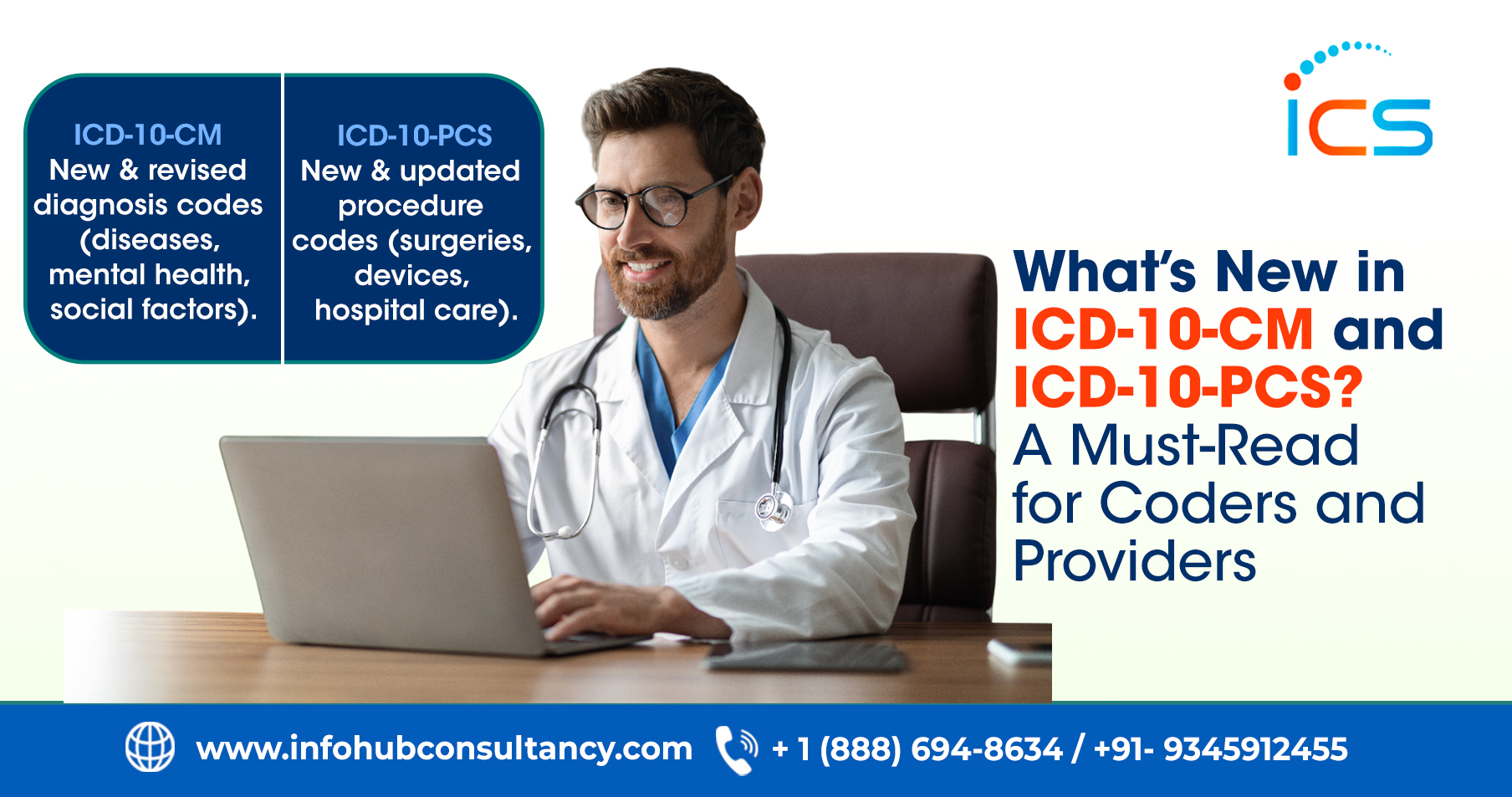
Did you know that ICD-10 codes change every year and have a direct impact on hospitals, coders, and providers? ICD-10-CM Read more

Every day, healthcare providers face increasing financial pressures. In fact, rising costs, stricter reimbursement policies and complex payer rules make Read more

Undoubtedly, cash flow is the lifeline of any medical practice. But still many providers face the challenge of waiting 60 Read more