

RCM healthcare is the full financial workflow that turns patient care into accurate reimbursement. If you’ve ever asked “what is RCM in healthcare?” or “what is revenue cycle in healthcare?”, the simplest answer is this:
Revenue cycle management in healthcare is everything that happens from the moment a patient schedules an appointment to the moment the final payment is collected and posted.
For many practices and facilities, the biggest revenue leaks come from small breakdowns: eligibility errors, missed authorizations, coding mismatches, claim rejections, underpayments, and slow A/R follow-up. That’s why many providers now use healthcare revenue cycle outsourcing to stabilize collections and reduce administrative load.
Info Hub Consultancy Services (ICS) is an offshore medical billing and healthcare RCM company supporting outsourcing from the USA to India. We help healthcare providers improve cash flow, reduce denials, and build a cleaner, more predictable billing operation without growing internal headcount.

RCM in healthcare (revenue cycle management healthcare) is the end-to-end process that includes:

Patient scheduling and registration
Insurance eligibility and benefits verification
Prior authorization and referral management
Charge capture and documentation checks
Medical coding (CPT, ICD-10, HCPCS)
Claim submission (EDI/clearinghouse)
Rejections and denial management
Payment posting and reconciliation
Underpayment identification and appeals
Patient billing, statements, and collections
A/R follow-up and reporting
So when someone says “healthcare billing” vs “healthcare revenue cycle management”, billing is only one part. RCM covers the entire cycle.
RCM is not just a back-office function. It directly impacts:

Days in A/R
Clean claim rate
Denial rate and denial overturn rate
Net collection rate
Patient payment speed
Compliance risk (payer rules, CMS guidance, documentation audits)
If you’re seeing recurring issues like “claim accepted but not paid,” frequent rejections, or rising patient balances, it’s usually an RCM process problem, not just a billing problem.
ICS provides RCM healthcare services and healthcare billing services designed for both independent practices and multi-location groups.
This is where most avoidable denials start.
Eligibility verification and benefits checks
Patient demographic validation
Authorization and referral tracking
Insurance discovery and coordination of benefits
Real-time workflow checks to prevent bad claims

Many providers ask: “what is a CPT code in healthcare?”
CPT codes represent procedures and services billed to payers. ICD-10 codes represent diagnoses and medical necessity. If either is wrong or mismatched, reimbursement delays follow.
Coding quality checks
Documentation-to-code validation
Modifier review
Coding edits that reduce payer rejections

Claim scrubbing and submission
Rejection resolution (payer, clearinghouse, demographic, coding)
Tracking claim status codes
Corrected claims and resubmissions

Denials need fast action and clean root-cause fixes.
Denial analysis and categorization
Appeals and documentation packaging
Underpayment review and follow-up
Recurring denial prevention (policy and workflow updates)

ERA/EOB posting
Adjustment accuracy checks
Patient responsibility validation
Credit balance review support
Deposit reconciliation and monthly summaries

Patient collections are now a major part of revenue cycle healthcare management.
Statement workflows
Payment plans and follow-up
Patient balance reconciliation
Billing transparency improvements
ICS supports multi specialty healthcare billing and specialty RCM workflows, including:
Behavioral healthcare RCM
Radiology revenue cycle
Home health agency billing
Hospital and physician billing coordination
Specialty clinics with high authorization and denial volumes
If you need a specialty page next (example: behavioral health, radiology, hospital billing), send the keyword set and I’ll format it the same way.
Here’s a clean, real-world RCM flow that most successful organizations follow:
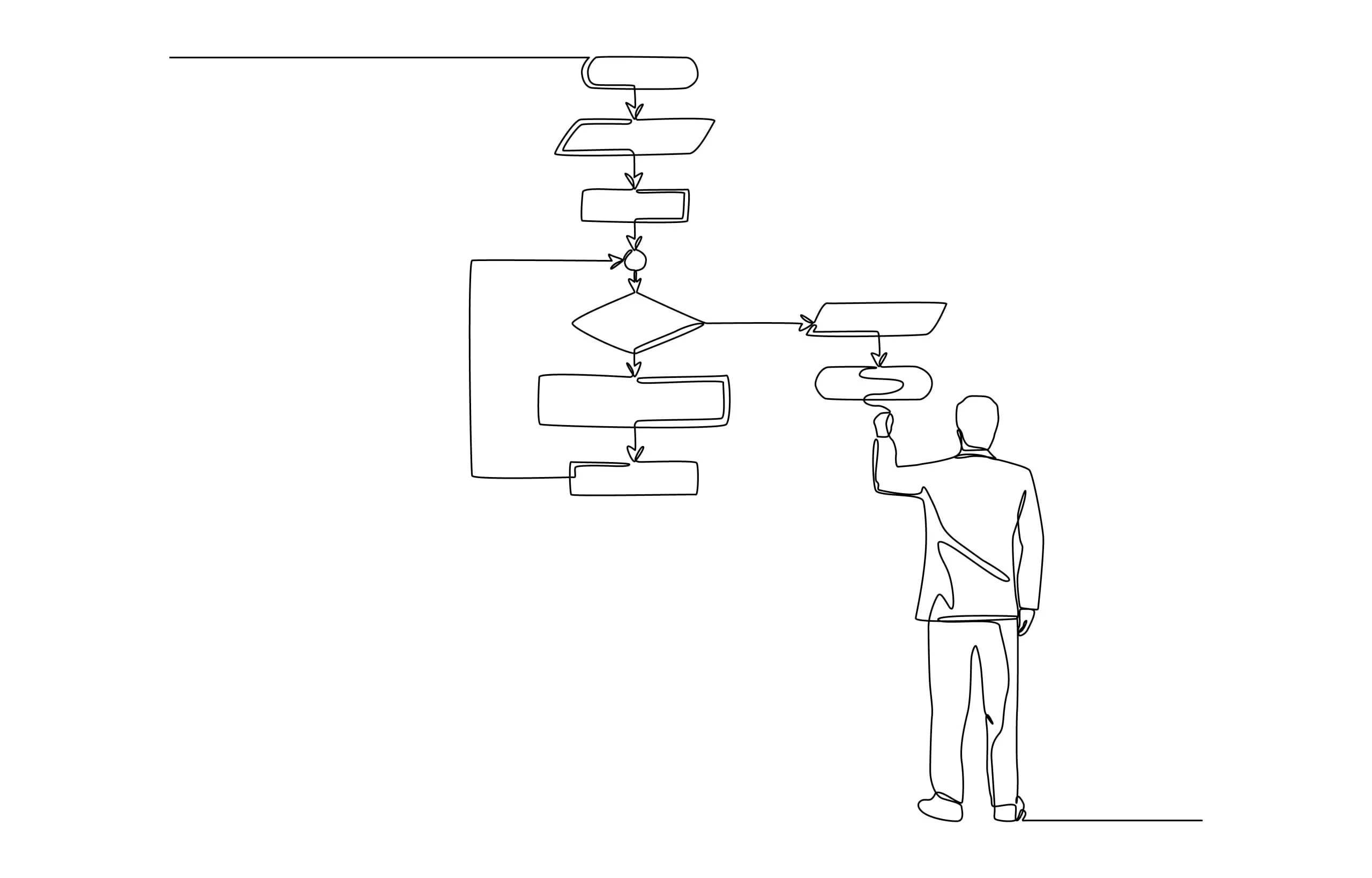
This is the foundation behind strong healthcare revenue cycle management process performance.
Common revenue cycle management healthcare challenges we see:
High denial rate due to eligibility or authorization gaps
Inconsistent documentation leading to coding edits
Slow A/R follow-up and unresolved claim status
Underpayments not identified or appealed
Patient billing delays and unclear statements
Too many tools but no real workflow control
Manual work causing repeated billing errors
We address these with tighter processes, reporting, and role-based accountability.


Many U.S. providers are now choosing healthcare revenue cycle outsourcing because it lowers operating costs while improving consistency.
Dedicated teams (not shared random pools)
HIPAA-aligned operations and controlled access
Daily/weekly reporting
Clear SOPs for your specialty and payer mix
Coverage for high-volume tasks like A/R follow-up, eligibility, denial work, and payment posting
If you searched for healthcare RCM companies in India or healthcare revenue cycle management outsourcing company, this is exactly what we do, but with U.S.-focused workflows and accountability.

We support healthcare billing and RCM workflows for providers across different states,
Ohio healthcare billing services
Hawaii RCM healthcare services
Georgia, Florida, California, New Jersey, New York, North Carolina, Pennsylvania, Texas, Virginia, Arizona
Also multi-location groups and regional operations (including Central Oregon and similar markets)
If you want, I can create separate city/state landing pages (same service, localized copy) without making them look duplicated.
ICS works with:

Independent physician practices

Specialty clinics

Behavioral healthcare centers

Multi-location medical groups

Home health agencies

Hospital-based physician groups
Whether you need full-service RCM or targeted help (A/R cleanup, denial reduction, eligibility), we can fit into your workflow.
End-to-end healthcare revenue cycle management services
Strong focus on accuracy and denial prevention
Scalable operations through offshore delivery (India)
U.S. payer workflow experience
Clear reporting and measurable improvements

ICS provides comprehensive medical billing and revenue cycle management services for healthcare organizations of all sizes and specialties. Our HIPAA-compliant offshore billing team brings specialty expertise, transparent reporting, and a proven track record of improving collections for US healthcare providers. Contact ICS today to elevate your healthcare revenue cycle.
These checkpoints summarize published CMS guidance for healthcare claims. The payer’s policy and the rule in effect for the date of service always apply.
Medicare states that fee-for-service claims for Part A and Part B have a filing limit measured from when the services were furnished. Track the date of service so claims reach the contractor within that window.
Original Medicare appeals run through five levels, ending in federal court. Redetermination, reconsideration, OMHA decision, Council review and judicial review follow one another, so an appeal builds on the record of the level before.
The first appeal level is a redetermination by the Medicare Administrative Contractor. CMS ties the filing window to receipt of the remittance advice, so appeal calendars should start from that date.
Medicare Secondary Payer rules make certain other coverage pay first. Where Medicare is secondary, the claim goes to the primary payer before Medicare, so billing teams verify other insurance early.
An Advance Beneficiary Notice of Non-coverage is issued when a provider believes an otherwise covered service will be noncovered, such as not reasonable and necessary. CMS says it goes to the patient before that care is received.
When a provider identifies an overpayment through reasonable diligence, the law requires it to report and return the money to its MAC. CMS ties that duty to a deadline running from identification.

Who We Are?
We’re a team of Indian grounded experts streamlining medical billing
services to US-based healthcare professionals for more than 10 years. We strategise specialty-specific conditions and agree working windows with each client, offering customized services.

Speak to our Experts on
End-to-End Medical Billing Services provider across entire US.

We offer medical billing services that feed to different types of medical practices.
 Ambulance
 Cardiology
 Radiology
 Family Practice
 Ophthalmology
Whether you operate as an individual practitioner or manage a healthcare association with multiple sites, we offer a solution tailored to your requirements.
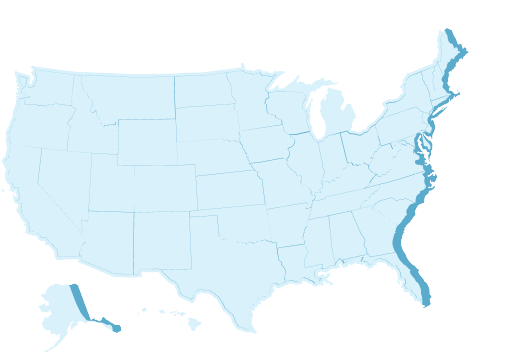
With over a decade of experience serving diverse specialties and provider groups across the U.S., we ensure you get local-quality support, regardless of location.
 Trusted by 140+ Providers in All 50 States HIPAA-Compliant Offshore Billing Experts Specialized Teams for State-Specific Billing Needs
Select your location below to learn how we support practices like yours.
To ensure top-notch service delivery, we use premier industry platforms similar to










Also, we offer support for custom APIs and integrations with customer systems, streamlining data synchronization and billing operations.

Discuss your Healthcare billing workflow, payer mix, backlog and reporting requirements with ICS. Compare a dedicated offshore FTE team with a percentage-based billing model, then choose the structure that fits your volume and control requirements.
What does RCM stand for in healthcare?
RCM stands for Revenue Cycle Management, the process of managing claims, payments, and revenue from patient scheduling to final reimbursement.
What is billing in healthcare vs revenue cycle management?
Healthcare billing is submitting claims and generating statements. Revenue cycle management includes billing plus eligibility, authorizations, coding, denial management, payment posting, A/R, and patient collections.
What is the future of healthcare revenue cycle management?
More automation, better claim validation, stronger denial analytics, and wider adoption of AI support. But the biggest gains still come from fixing workflow basics and accountability.
Is a claim reopening the same as an appeal?
No. CMS treats reopenings as separate from appeals, and they are at the contractor's discretion. A request for reopening does not replace filing an appeal on time.
What is a conditional payment under Medicare Secondary Payer rules?
In some liability, no-fault or workers compensation situations, Medicare may pay when the primary plan has not paid promptly. CMS states these payments are subject to repayment once the primary plan pays.
Can any billing entity issue an ABN?
No. CMS says only providers and suppliers enrolled in Medicare may give the ABN to beneficiaries.
Tell us your specialty, payer mix and billing priorities.
Build a dedicated offshore team or align billing fees with collections.

“ Partnering with ICS transformed our revenue cycle. Claim approvals are faster, denials have dropped significantly, and we finally have clear visibility into our billing performance. ”
Founder, Sunrise Family Clinic

“ The ICS team is knowledgeable, responsive, and deeply committed to helping our practice grow. Their customized dashboard gives us real-time insights we never had before. ”
Orthopedic Surgeon, CareAxis Hospital
“ We were drowning in paperwork and delays before ICS stepped in. Their team streamlined everything, from eligibility checks to patient billing, and gave us time to focus on care. ”
Practice Manager, Lotus Women's Health Center
“ ICS is more than a billing service—they’re a strategic partner. Their compliance-first approach gives us confidence, and their results speak for themselves. ”
Pulmonologist, Airway Specialty Clinic
“ With ICS, we saw a 35% increase in collections within the first quarter. Their billing accuracy and follow-up on aging claims are unmatched. ”
Dermatologist, ClearSkin Clinic