
Community behavioral health organizations coordinate Medicaid-heavy payer mixes, authorizations, program documentation, remittances and reporting across multiple services and locations. Billing requirements vary by state program, health plan, provider type and date of service.
ICS provides India-based billing support for community mental health centers, Certified Community Behavioral Health Clinics (CCBHCs), nonprofit clinics and multi-location programs. Queue ownership, system access, payer exceptions, client approvals and reporting are documented before production begins.
For broader provider-type and telehealth workflows, review our behavioral health billing services. For therapy, psychiatry, counseling and private-practice workflows, see our mental health billing services.
Community behavioral health billing requires discipline across eligibility, authorization, charge capture, claims, denials, and payment posting. As a community behavioral health billing company, we build payer-ready workflows that fit the realities of community programs: high visit volume, complex benefit rules, and frequent prior authorization checks.


Our community behavioral health billing services are designed for community clinics, nonprofit mental health organizations, and multi-location systems. As a community behavioral health billing services company, we provide end-to-end revenue cycle support:

Eligibility and benefits verification
Authorization and referral tracking
Claim creation, submission, and follow-up
Denial prevention and appeals
Payment posting and reconciliation
Monthly reporting and KPI dashboards

ICS can own defined billing queues as an extension of your internal team. Roles, handoffs, exception paths, review points and reporting responsibilities are agreed before launch.

Compare payer-path knowledge, security controls, system experience, queue ownership, escalation procedures and reporting. No responsible partner should promise a guaranteed collection result before reviewing your scope and baseline.

Community-program billing rules can differ by state, payer, program, site and date of service. The operating plan should identify the approved payer guidance, client decision owners and change-control process used by the delivery team.

Compare proposed scope, team capacity, service levels, reporting and internal baseline cost. An India-based model can add capacity, but expected value depends on workload, payer mix, systems and the responsibilities retained by your organization.
A useful assessment starts with provider count, program types, payer mix, monthly encounters, authorization dependencies, legacy AR, current systems, client approvals and reporting needs. ICS then documents which queues the India team will own and which decisions remain with your organization.
Before work begins, the operating plan should identify the requirements that control each billing path:
Provider, site and program enrollment
Medicaid managed-care routing and payer edits
Authorization, referral and eligibility rules
Service-location, rendering-provider and modality fields
Remittance, denial and appeal deadlines
State and program reporting dependencies
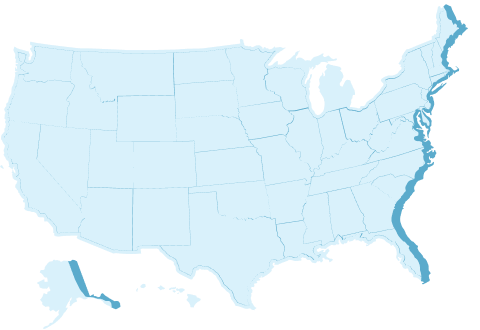

ICS supports defined community behavioral health billing workflows remotely from India. Organizations evaluating location-specific support can review our pages for Texas, California, Florida, New York, North Carolina and New Jersey. Each engagement still begins with a payer, program and system review.
An India-based team can add operational capacity for defined queues while your organization retains clinical decisions and agreed approvals. Scope can include:
Eligibility and benefit-verification queues
Authorization and referral tracking
Claim preparation, submission and status follow-up
Payment posting and reconciliation
Denial and aged-AR work queues
Operational reporting and escalation tracking
Expected cost and operational value depend on scope, workload, payer mix, systems and your internal baseline. ICS documents these inputs before proposing a delivery model.

India-based offshore billing company serving U.S. community clinics
Support for Medicaid-heavy payer workflows included in the agreed scope
State-aware billing workflows (payer rules vary widely)
Transparent KPIs and reporting
Dedicated billing teams and clean transitions from existing vendors
ICS can support community-program workflows when they are included in the agreed scope. The team applies current client-approved payer guidance and documents exceptions for client review. Clinical judgment, CCBHC certification, grant-reporting ownership and final compliance decisions remain with the organization. Review the SAMHSA CCBHC Certification Criteria and SAMHSA CCBHC quality-measure guidance when those programs are in scope.
These checkpoints summarize published CMS guidance for community behavioral health claims. The payer’s policy and the rule in effect for the date of service always apply.
A certified community behavioral health clinic is a clinic a state certifies as meeting the CCBHC demonstration criteria. It must furnish all required services and provide data for state and federal monitoring.
Required CCBHC services include crisis mental health care such as 24-hour mobile crisis teams, alongside outpatient mental health and substance use services and psychiatric rehabilitation. Documentation should show which required service was delivered.
Under the CCBHC demonstration, states reimburse each clinic through a prospective payment system rate set for that clinic. The rate is meant to cover the expected cost of delivering CCBHC services.
To qualify as a Medicare community mental health center, the organization must provide 24-hour-a-day emergency care services. This is one of several conditions of participation reviewed by surveyors.
A Medicare CMHC must screen patients being considered for admission to State mental health facilities. The screening determines whether that admission is appropriate, so records should show it was performed.
Medicare CMHC requirements include outpatient services with specialized programs for defined groups such as children, the elderly and people with chronic mental illness. The center must also serve clients of its mental health service area.
A defined India-based delivery model can add capacity for repeatable billing work when access, responsibilities, client approvals, escalation paths and reporting are documented before production.

Defined Delivery Capacity

Trained Billing Staff

Strong Security Measures

Documented Queues and Escalations

HIPAA-Aligned Access Controls

Denial Cause Tracking

Flexible US Working Windows

Who We Are?
ICS provides India-based billing support through documented workflows, role-based access, agreed working windows and operational reporting. The delivery scope is aligned to your program types, payer mix, systems and internal approval model.
Our approach to these challenges involves substantiated, budget-friendly strategies.

A dedicated billing team can add capacity for defined queues. Staffing, hours, handoffs and performance measures are agreed against the organization’s current workload and internal baseline.
Quality checks can identify incomplete information and payer-rule exceptions before submission. Denial causes and required client decisions are recorded for follow-up.
You will receive regular updates and substantiated account assistance. We ensure you stay
streamlined throughout each phase of the billing process.
The team applies agreed pre-submission checks, records claim status and routes exceptions through the documented escalation path. Payment timing remains subject to payer processing and claim conditions.
ICS works within client-approved EHR, practice-management and clearinghouse environments. Access and workflow responsibilities are confirmed during implementation.


Speak to our Experts on
Discuss a defined community behavioral health billing scope for your organization.
Compare the proposed team, working hours, queue scope, controls and reporting with your internal baseline. Cost and operational value vary by workload and retained responsibilities.

Assigned billing staff follow the client-approved process, payer guidance and escalation path for the queues included in scope.
Adjust the assigned team and queue scope through agreed change control as encounter volume, payer mix or backlog changes.

ICS supports defined medical billing workflows across multiple specialties and organization types.
 Ambulance
 Cardiology
 Radiology
 Family Practice
 Ophthalmology
Review related specialties to compare workflow requirements, then discuss the payer mix, systems and queues included in your proposed scope.
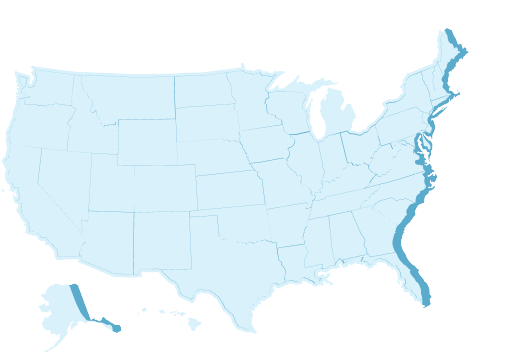
ICS supports remote billing workflows for US organizations from its India delivery team. State, payer and program requirements are reviewed before launch.
 Support for US Community Behavioral Health Organizations HIPAA-Compliant Offshore Billing Experts Payer and Program Requirements Documented by Scope
Review the available location pages for relevant state context, then confirm your organization’s payer and program requirements during the assessment.
ICS works within client-approved healthcare billing and practice-management platforms, including










Also, we offer support for custom APIs and integrations with customer systems, streamlining data synchronization and billing operations.

Discuss your Community Behavioral Health billing workflow, payer mix, backlog and reporting requirements with ICS. Compare a dedicated offshore FTE team with a percentage-based billing model, then choose the structure that fits your volume and control requirements.
What makes community behavioral health billing different?
Community programs may combine Medicaid-heavy payer mixes, authorizations, multiple service locations, program-specific documentation and reporting. The required billing workflow depends on the state program, payer, provider type and date of service.
How is protected information handled in an offshore billing workflow?
Access should be role-based and limited to the approved systems and queues. ICS documents access, responsibilities, escalation paths and client approvals before production; the organization retains final compliance decisions.
Can ICS support multi-state community behavioral health organizations?
ICS can assess multi-state workflows and document separate payer and program requirements for each approved scope. State, payer and system readiness are confirmed before launch.
Can nonprofit and CCBHC organizations use this service?
ICS can support defined billing functions for nonprofit community mental health centers and CCBHCs. Certification, clinical judgment, grant reporting and final program compliance remain with the organization.
Which US locations can an India-based team support?
ICS supports remote billing workflows for US organizations. Fit is evaluated from the organization’s location, payer mix, program rules, system access, workload and required working windows rather than from a generic state list.
How should an organization compare offshore billing costs?
Compare proposed team capacity, queue scope, working hours, controls, reporting and service levels with the current internal baseline. Expected cost and value vary by workload, payer mix, systems and retained responsibilities.
Can denial and aged-AR work be included?
Yes, denial and aged-AR queues can be included in the agreed scope. ICS records denial causes, claim status and required client decisions using the documented escalation path.
How is a transition from an existing billing partner managed?
The transition plan can define access, open queues, ownership dates, validation checks, exception handling and reporting. Timing and parallel-run needs depend on the current systems and backlog.
Is a dedicated billing team available?
A dedicated FTE team or another agreed delivery model may be used based on volume, queue ownership, working hours and reporting needs. The proposed structure is documented after the workflow assessment.
How is the onboarding timeline determined?
The timeline is confirmed after reviewing payer access, system setup, security requirements, data availability, queue scope, client approvals and any transition dependencies.
What is psychosocial rehabilitation at a CMHC?
CMS describes psychosocial rehabilitation as activities that reintegrate the person into society by improving functioning. They must be consistent with the goals in the client's active treatment plan.
Does a CMHC need state licensing to participate in Medicare?
Yes, CMS lists meeting applicable state licensing or certification requirements for CMHCs as one of the conditions a center must satisfy.
Can a CMHC serve as a telehealth originating site?
The Medicare Learning Network booklet on Medicare and mental health coverage states that a CMHC is an originating telehealth services site. Other telehealth billing conditions still apply.
Tell us your specialty, payer mix and billing priorities.
Build a dedicated offshore team or align billing fees with collections.

“ Partnering with ICS transformed our revenue cycle. Claim approvals are faster, denials have dropped significantly, and we finally have clear visibility into our billing performance. ”
Founder, Sunrise Family Clinic

“ The ICS team is knowledgeable, responsive, and deeply committed to helping our practice grow. Their customized dashboard gives us real-time insights we never had before. ”
Orthopedic Surgeon, CareAxis Hospital
“ We were drowning in paperwork and delays before ICS stepped in. Their team streamlined everything, from eligibility checks to patient billing, and gave us time to focus on care. ”
Practice Manager, Lotus Women's Health Center
“ ICS is more than a billing service—they’re a strategic partner. Their compliance-first approach gives us confidence, and their results speak for themselves. ”
Pulmonologist, Airway Specialty Clinic
“ With ICS, we saw a 35% increase in collections within the first quarter. Their billing accuracy and follow-up on aging claims are unmatched. ”
Dermatologist, ClearSkin Clinic