Revenue Cycle Management
  Insurance Verification
  Appointment Scheduling
  Charge Entry
  Denials Management
  Medical Billing
  Claims Submissions
  Payment Posting
  AR – Follow-ups
  Medical Coding
  Reporting
  Patient’s Statement
  Authorization
  Charge Review & Auditing (Coding & Billing)
  Compliance & Audit Readiness
  Clearing House & EDI Management
  Credentialing
  View All 65
Specialties
View All 65
Specialties Allergy and Immunology
  Ambulance
 Ambulatory Surgical Center
 Anesthesia
 Assisted Living Facility (ALF)
 Behavioral Health
 Cardiology
 Chiropractic
 Chronic Care Management (CCM)
 Community Behavioral Health
 Dental
 Dermatology
 Durable Medical Equipment
 Emergency Room
 Endocrinology & Diabetes
 Family Practice
 Gastroenterology
 General Surgery
 Geriatrics
 Healthcare
 6 mins read
Healthcare organizations are facing growing financial pressure as administrative costs continue to rise and reimbursement processes become more complex. Studies show that billing and revenue cycle functions can consume up to 10–15% of a healthcare provider’s total revenue, while claim denials and delays continue to impact cash flow year after year. At the same time, staffing shortages and frequent regulatory changes are making in-house billing operations harder to sustain.
So how can providers protect their revenue, stay compliant, and manage risk without increasing operational strain? As healthcare moves into 2026, offshore medical billing is emerging as a strategic response to these challenges. This blog will explore how offshore medical billing supports cost savings, strengthens compliance, and helps healthcare organizations manage risk more effectively.
Reducing Healthcare Billing Costs
Offshore medical billing supports healthcare organizations in managing expenses more effectively while maintaining steady billing performance. In fact, providers can reduce financial strain, streamline operations, and direct more resources toward clinical services and long-term growth by outsourcing time-consuming administrative functions.
-
Lower Staffing and Payroll Expenses
Offshore medical billing reduces the need for hiring full-time in-house billing staff. Practices save on salaries, employee benefits, overtime, and recruitment costs and still work with trained billing professionals who handle daily revenue cycle tasks efficiently.
-
Reduced Infrastructure and Overhead Costs
Outsourcing billing eliminates expenses related to office space, hardware, billing software, and utilities. Offshore providers operate using their own infrastructure, allowing healthcare providers to lower fixed operational costs and maintain a more cost-efficient internal setup.
-
Flexible Workforce Scaling
Offshore billing and coding services in India enable healthcare organizations to adjust team size in response to changes in claim volume and workload. This flexibility helps avoid unnecessary staffing costs during slow periods while ensuring adequate support during high-demand billing cycles.
-
Improved Claims Processing Efficiency
Experienced offshore billing teams follow standardized workflows that speed up claim submission and payment posting. In fact, faster turnaround times reduce delays in reimbursements, improve cash flow, and decrease the administrative cost of managing outstanding receivables.
-
Lower Training and Development Costs
Offshore billing providers invest in continuous training to stay up to date on coding changes and payer requirements. This reduces the financial and time burden on healthcare organizations to regularly train internal staff on evolving billing standards.
-
Reduced Denials and Rework Expenses
Accurate coding and thorough claim review by offshore teams help minimize errors that lead to denials. Thereby, fewer rejected claims reduce follow-up work, lower reprocessing costs, and support more consistent revenue collection.
Strengthening Regulatory Alignment
Offshore medical billing supports compliance by introducing structured processes, specialized knowledge, and continuous oversight into billing operations. Dedicated outsourcing medical billing and coding service providers in India help healthcare organizations stay aligned with regulatory expectations and maintain consistent billing practices across payers.
-
Continuous Coding and Regulatory Updates
Offshore billing teams are trained to regularly monitor coding revisions and payer policy changes. This ongoing focus helps ensure claims follow current requirements, reducing the risk of outdated codes, incorrect modifiers, and non-compliant billing submissions.
-
Standardized Documentation Practices
Offshore providers follow well-defined documentation workflows that promote consistency and completeness. Standardized processes help ensure medical records support billed services, improving transparency and strengthening compliance during payer reviews and external audits.
-
Dedicated Compliance-Focused Roles
Many offshore billing partners assign specific resources to oversee regulatory adherence. These specialists review claims for accuracy and policy alignment, helping identify potential compliance gaps before claims are submitted for reimbursement.
-
Strong Data Protection Measures
Reputable offshore providers implement strict data security controls to protect patient information. In fact, secure access protocols, controlled environments, and monitored systems help maintain confidentiality while meeting healthcare data protection requirements.
-
Audit Readiness and Reporting Support
Offshore billing teams maintain organized records and detailed reporting that support audit preparation. In fact, clear documentation trails help healthcare providers respond confidently to payer inquiries and demonstrate compliance during reviews or investigations.
-
Reduced Internal Compliance Burden
Healthcare organizations reduce the workload on internal staff responsible for compliance monitoring by outsourcing billing operations. Outsourcing medical billing and coding service providers in India manages routine compliance checks, allowing in-house teams to focus on higher-level oversight and governance activities.
Minimizing Financial and Operational Risk
Offshore medical billing helps control risk by improving accuracy, strengthening oversight, and ensuring continuity in billing operations. In fact, structured processes and performance monitoring reduce exposure to revenue loss, compliance penalties, and workflow disruptions across the revenue cycle.
-
Lower Risk of Billing Errors
Offshore billing teams follow defined quality checks that help reduce coding and data entry mistakes. As a result, improved accuracy reduces the risk of claim rejections, payment delays, and revenue leakage from avoidable billing errors.
-
Improved Denial Management Processes
Dedicated offshore teams track, analyze, and address claim denials systematically. In fact, timely follow-up and corrective actions help prevent repeat issues, reducing financial risk associated with unresolved or frequently denied claims.
-
Consistent Workflow Continuity
Offshore billing operations provide uninterrupted support across time zones. Continuous processing reduces delays caused by staffing shortages, absences, or high claim volumes, helping maintain steady billing activity and predictable cash flow.
-
Performance Monitoring and Accountability
Offshore billing partners use performance metrics to track accuracy, turnaround time, and outcomes. Regular reporting provides visibility into billing performance and enables healthcare organizations to address issues before they escalate into greater risks.
-
Reduced Dependency on Single Staff Members
Outsourcing billing tasks distributes responsibilities across trained teams rather than relying on individual employees. This approach minimizes operational risk related to staff turnover, extended leave, or sudden workforce disruptions.
-
Better Control Over Financial Exposure
Offshore medical billing and coding services in India help reduce unpaid claims and aging receivables by improving billing accuracy and follow-up processes. In fact, stronger control over revenue cycle performance limits financial uncertainty and supports long-term stability.
Conclusion
InfoHub Consultancy Services plays a key role as an offshore medical billing and coding service provider based in India, supporting healthcare organizations with end-to-end revenue cycle operations. The company offers skilled billing and coding professionals who follow structured workflows to ensure accurate claim submission, timely follow-ups, and improved reimbursement outcomes. In fact, ICS helps providers reduce internal workload and maintain consistent billing performance by managing complex administrative tasks offshore.
Furthermore, InfoHub Consultancy Services emphasizes compliance, data security, and process transparency. In fact, the company invests in continuous training to stay aligned with evolving coding standards and payer requirements while implementing secure systems to protect patient information. Also, ICS enables healthcare providers to maintain control, reduce billing-related risks, and achieve sustainable cost savings through performance tracking and clear communication.
FAQs
How does offshore medical billing support faster turnaround times?
Time zone differences allow billing tasks to continue outside domestic business hours, improving processing speed.
How long does it take to transition to an offshore billing model?
Transition timelines vary, but most practices complete onboarding and stabilization within a few weeks.
Does offshore medical billing affect patient communication?
Patient-facing communication usually remains with the provider, whereas offshore teams handle back-end billing tasks.
Related Blogs
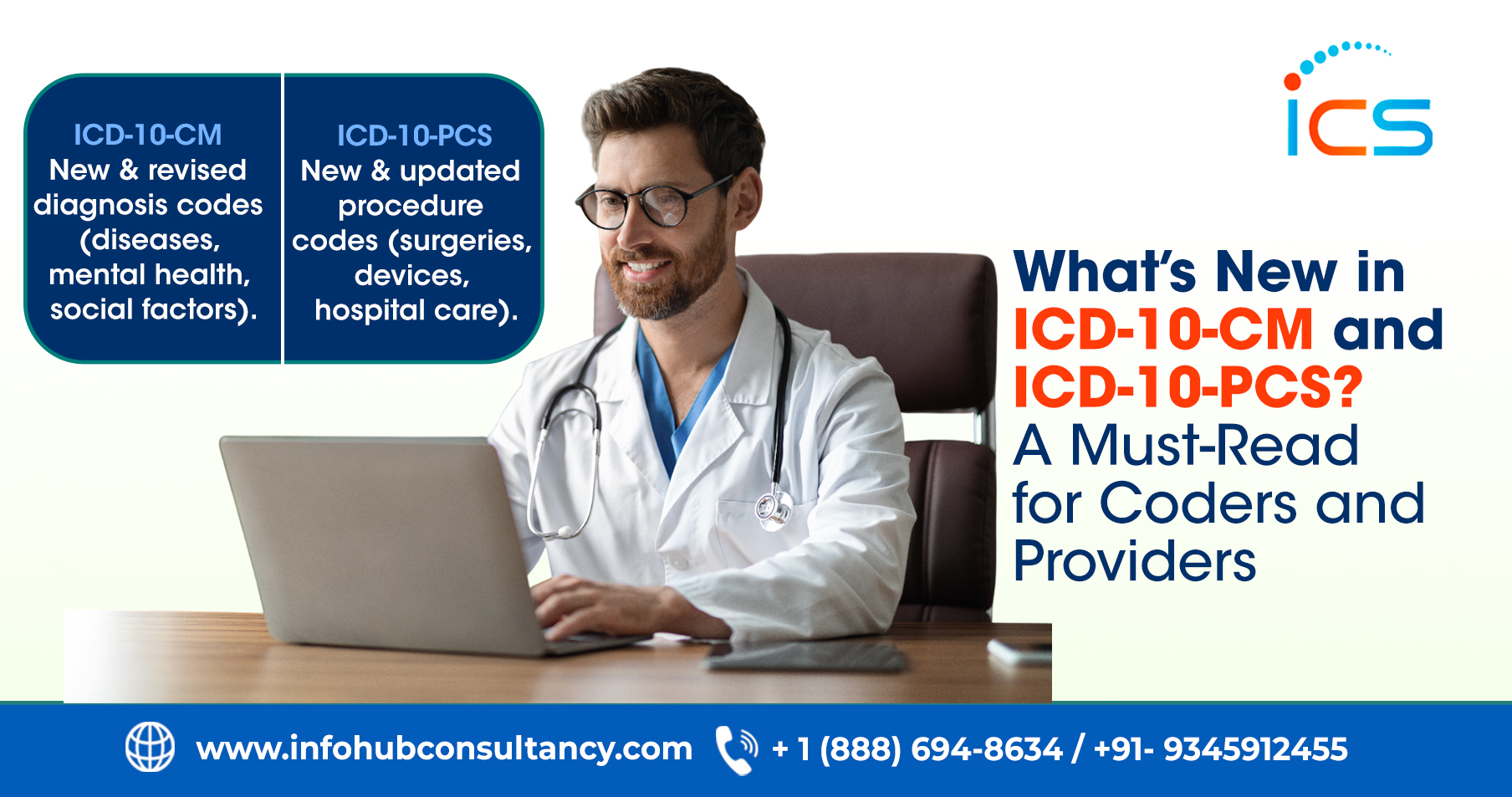
Did you know that ICD-10 codes change every year and have a direct impact on hospitals, coders, and providers? ICD-10-CM Read more

Every day, healthcare providers face increasing financial pressures. In fact, rising costs, stricter reimbursement policies and complex payer rules make Read more

Undoubtedly, cash flow is the lifeline of any medical practice. But still many providers face the challenge of waiting 60 Read more