Revenue Cycle Management
  Insurance Verification
  Appointment Scheduling
  Charge Entry
  Denials Management
  Medical Billing
  Claims Submissions
  Payment Posting
  AR – Follow-ups
  Medical Coding
  Reporting
  Patient’s Statement
  Authorization
  Charge Review & Auditing (Coding & Billing)
  Compliance & Audit Readiness
  Clearing House & EDI Management
  Credentialing
  View All 65
Specialties
View All 65
Specialties Allergy and Immunology
  Ambulance
 Ambulatory Surgical Center
 Anesthesia
 Assisted Living Facility (ALF)
 Behavioral Health
 Cardiology
 Chiropractic
 Chronic Care Management (CCM)
 Community Behavioral Health
 Dental
 Dermatology
 Durable Medical Equipment
 Emergency Room
 Endocrinology & Diabetes
 Family Practice
 Gastroenterology
 General Surgery
 Geriatrics
 Healthcare
 6 mins read
Is prior authorization slowing down your schedules more than ever?
Are approvals taking longer, documentation becoming more detailed, and denial rates quietly increasing despite faster CMS timelines? If it feels harder to secure approvals in 2026, you are not imagining it.
Prior authorization is no longer a routine administrative step. It has evolved into a high-stakes checkpoint that directly affects patient access, clinical workflows, and revenue stability. Though new CMS mandates promise quicker decisions, they also demand cleaner submissions, stricter compliance, and tighter turnaround times.
In this shifting scenario, small documentation gaps can lead to immediate denials, and delayed follow-ups can disrupt entire revenue cycles. As a result, understanding why prior authorization is becoming more complex and how to proactively manage it is now essential for every healthcare organization.
Why is Prior Authorization Getting Harder in 2026?
Prior authorization in 2026 is becoming significantly more demanding as regulatory updates, evolving payer oversight, and digital review systems reshape approval workflows. Although policy changes promise faster decisions, they simultaneously introduce stricter submission standards, shorter response timelines, and greater financial risk for providers who fail to adapt.
-
Accelerated CMS Decision Timelines
Updated CMS regulations require urgent authorization requests to be processed within 72 hours, while standard requests require decisions within seven calendar days. These compressed timelines leave little room for correction. Even minor documentation gaps can trigger delays that extend beyond mandated decision windows.
-
Stricter Clinical Documentation Requirements
Current payer expectations require detailed medical-necessity explanations in the initial submission rather than during appeals. In addition to diagnosis and procedure codes, providers must include prior treatment history, supporting clinical findings, and clinical rationale. Therefore, insufficient documentation increasingly results in immediate rejection rather than clarification requests.
-
Expansion of Services Requiring Authorization
Authorization requirements now apply to a broader range of outpatient procedures, specialty treatments, and certain Medicare oversight programs. This expanded scope increases the volume of requests providers must manage across multiple service lines. Therefore, administrative coordination has become more complex and resource-intensive.
-
AI-Driven Automated Reviews
Artificial intelligence systems are now widely used by insurers to screen submissions within seconds. These systems identify missing fields, coding inconsistencies, or incomplete clinical details before human review occurs. Therefore, minor documentation errors can result in immediate denials without further clinical evaluation.
-
Fragmented and Frequently Updated Payer Policies
Distinct authorization criteria, submission portals, and documentation formats exist across payers. Policy revisions often occur quarterly and sometimes with limited provider notification. Practices that do not proactively update internal processes may experience preventable denials due to outdated submission methods.
-
Shorter Appeal Windows and Limited Flexibility
Appeal timeframes are becoming increasingly restrictive, and some payers are limiting multi-level reconsideration pathways. Providers must respond quickly with comprehensive supporting evidence. Therefore, delayed or incomplete appeals reduce the likelihood of reversal and may result in permanent loss of reimbursement.
-
Increased Financial Exposure
Inefficiencies within prior authorization workflows now directly affect revenue stability. Delayed approvals postpone scheduled procedures and reimbursement cycles, while expired authorizations require complete resubmission. Therefore, authorization mismanagement carries measurable financial consequences rather than minor administrative inconvenience.
What can Providers Do?
Healthcare organizations can strengthen authorization performance by implementing structured workflows, improving documentation clarity, and leveraging automation strategically. In fact, proactive systems help prevent common errors, accelerate approvals, and maintain consistent revenue performance despite growing regulatory complexity.
-
Standardize Internal Authorization Workflows
Clear standard operating procedures ensure consistent handling of every authorization request. Also, defining staff responsibilities, internal submission deadlines, and review checkpoints reduces variability. As a result, structured processes prevent rushed submissions and improve coordination between scheduling, clinical, and billing teams.
-
Strengthen Front-End Eligibility Verification
Insurance eligibility verification should occur during scheduling and be reconfirmed before initiating authorization. In fact, confirming plan type, coverage limitations, and referral requirements minimizes the risk of submitting requests under incorrect benefit structures. Dual verification significantly reduces avoidable rework.
-
Develop Payer-Specific Documentation Checklists
Payer-specific documentation checklists improve first-pass approval rates by aligning submissions with insurer expectations. These guides outline required clinical notes, coding standards, and submission formats. Regular updates ensure continued compliance with evolving payer policies.
-
Utilize Electronic Prior Authorization Tools
Electronic prior authorization tools integrated within the EHR streamline identification, documentation assembly, and submission tracking. In fact, automated alerts highlight pending decisions and approaching expiration timelines. Therefore, staff members can focus on complex cases rather than repetitive status-monitoring tasks.
-
Improve Clinical Documentation Quality
Clear, structured clinical documentation strengthens the medical necessity justification. Providers should explain prior treatment attempts, symptom progression, and clinical reasoning using precise language. Comprehensive notes reduce ambiguity and improve the probability of first-pass approval.
-
Monitor Denial Trends as Actionable Data
Denial tracking across payers and service categories provides operational insight into recurring submission gaps. In fact, identifying documentation or coding patterns allows teams to adjust workflows accordingly. Therefore, data-driven improvements gradually increase approval rates and reduce the number of repeated errors.
-
Assign Dedicated Authorization Oversight
A designated authorization coordinator or team improves accountability and process consistency. Also, continuous monitoring of pending requests, follow-up deadlines, and expiration dates prevents missed actions. Clear oversight strengthens communication between clinical and billing departments.
-
Strengthen Appeal Preparation Processes
Structured appeal preparation directly addresses the reasons for denial with organized clinical evidence and supporting documentation. Standardized appeal templates improve efficiency while maintaining quality. Prompt and well-supported reconsideration submissions increase the likelihood of successful reversals.
Outsourcing Medical Billing and Coding Services in India
Outsourcing medical billing and coding services in India offers a practical solution for practices managing rising authorization demands and limited internal capacity. In fact, established providers such as InfoHub Consultancy Services deliver specialized prior authorization support, accurate coding, structured denial management, and workflow optimization. As a result, healthcare organizations can reduce administrative strain, improve turnaround times, enhance compliance accuracy, and maintain steady revenue performance without significantly increasing operational costs.
FAQs
Does prior authorization impact value-based care models?
Authorization delays can affect care coordination timelines tied to quality and outcome metrics.
How does prior authorization affect patient satisfaction scores?
Delays or unexpected denials often lead to frustration and directly influence patient experience ratings.
How does prior authorization affect specialty pharmacies?
Specialty medications often require detailed authorization, which can delay therapy initiation.
Are patients financially impacted by authorization denials?
Denied services may shift financial responsibility to patients if coverage requirements are unmet.
Related Blogs

Every day, healthcare providers face increasing financial pressures. In fact, rising costs, stricter reimbursement policies and complex payer rules make Read more
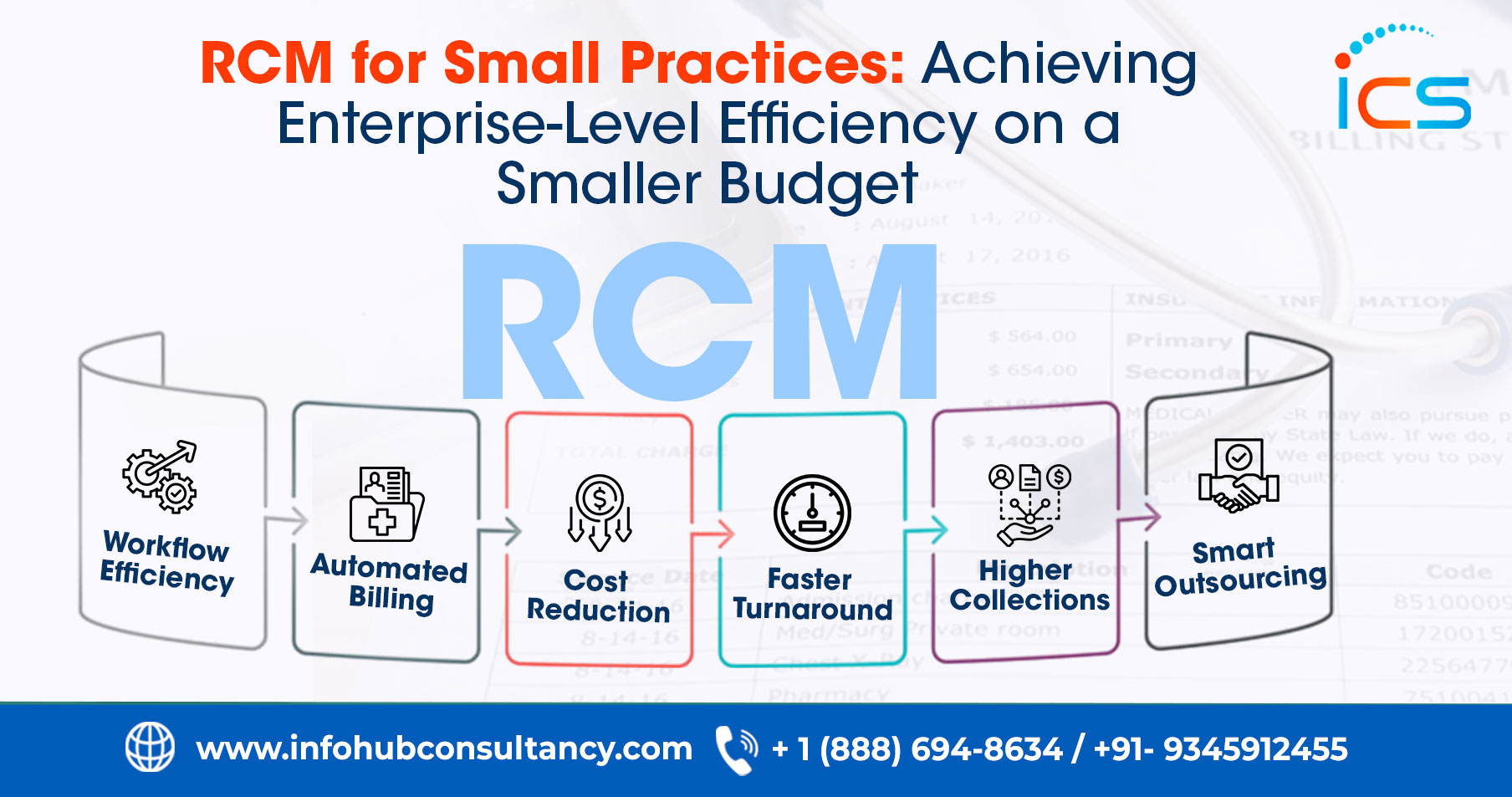
Managing revenue has become increasingly challenging for small medical practices, especially as claim denials continue to rise each year. In Read more

Healthcare providers are entering a period where managing the revenue cycle feels more demanding than ever. Costs continue to rise, Read more