6 mins read
Did you realize that 25% of all Ambulatory Surgery Centres medical claims are denied on initial submission? The reasons can be incorrect billing, improper coding, or incomplete documentation.
The Centers for Medicare & Medicaid Services report these denials will cause payment to be delayed between 30 to 90 days, affecting cash flow and overall stability in revenue.
Imagine your ASC has performed a complex outpatient procedure flawlessly. But weeks later, reimbursement is rejected either for a modifier mistake or an outdated code. This common scenario highlights a crucial reality, i.e., providing best surgical care is 50% of the battle.
InfoHub Consultancy supports medical billing, coding, and revenue-cycle workflows for U.S. healthcare providers. Discuss your needs and proposed scope with our team.
Get a Free Consultation →The other part of the battle is to ensure compliance, as accurate billing and coding is essential to your center’s success. In fact, staying compliant is not only a one-time effort but an ongoing commitment to system upgrades, education, and process improvement. This blog explores how ASCs can stay compliant with the evolving guidelines.
Reasons for Staying Compliant
Staying compliant with current ASC billing and coding guidelines is essential not only for getting timely reimbursement but also for avoiding legal trouble. A clear and consistent billing process, backed by standardized procedures, helps reduce mistakes and ensures proper reimbursements. When compliance is ignored, the risks go far beyond payment delays.
Take the No Surprises Act as an example, which protects patients from unexpected medical bills. If an ASC violates this law, it can face a fine of up to $10,000. Further, coding errors for not following Medicare’s National Correct Coding Initiative (NCCI) Edits can lead to major financial penalties or even result in the center being removed from Medicare programs.
The violation of HIPAA is another serious issue. If there is mishandling or disclosure of any protected patient information, ASCs have to submit civil fines ranging from $100 to $50,000 per violation. Even in certain scenarios, such violations can lead to criminal charges with a prison term of one to ten years.
Common Challenges of Staying Compliant
To strengthen compliance, ASCs must begin by understanding the key billing and coding challenges they regularly encounter. One of the most common hurdles is coding difficulty, as ASC coding rules can vary widely between payers. Mistakes such as unbundling procedures, applying incorrect modifiers, or upcoding can lead to claim denials, financial penalties, and broader compliance concerns.
In addition to coding, payer complexities pose another challenge. As each payer has its own set of rules and acceptance criteria, what is approved by one may be rejected by another. In fact, inconsistent documentation, missing patient details, or late submissions often result in denials and a loss of revenue.
How to Remain Compliant with the Changing Guidelines
ASCs need to comply with new healthcare regulations to ensure correct ASC billing and receive maximum reimbursements. The following are the most important strategies that ASCs should adopt to comply with the most recent guidelines and escape denials or fines:
● Use Accurate Modifiers
Modifiers are important in ASC billing to give more detail about the procedure. Modifier 59 separates procedures performed during the same session, whereas Modifier 50 indicates a procedure performed on both sides. Using the correct modifiers helps ensure accurate payments and reduces the risk of audits or denials.
● Understand the Key Regulations
ASCs must follow Medicare’s Payment System and use the correct Ambulatory Payment Classification codes. Understanding reimbursement rates and required modifiers is also essential. All billing practices must comply with HIPAA to protect patient information. Each state may also have specific ASC rules that should be reviewed regularly.
● Stay Updated on Procedure Coverage
Medicare often updates the list of approved ASC procedures. In fact, outdated coding can cause underpayments or denials. As a result, ASCs must check these updates to avoid billing for non-covered services. Staying informed about coverage changes helps the center remain compliant and reduces the chances of financial loss.
● Monitor Denials and Appeals
Tracking denied claims helps identify common issues and prevent repeat errors. A structured appeals process is required to resolve denials quickly. Appeal letters should include required documents and reference payer rules. Monitoring denial patterns also helps improve the billing process and protect future payments.
● Implement Robust Documentation Practices
Clear documentation is necessary for proper billing and compliance. Surgeons and staff must record the specific procedure, the medical reason for it, and any implants or supplies used. Accurate records support the assigned codes and help prevent claim denials during payer reviews or audits.
● Conduct Regular Audits
Regular audits help find billing mistakes before they cause problems. This means that you should conduct both internal reviews to keep daily processes in check and external audits to have expert feedback. Such ongoing audits verify that billing matches payer rules and help identify trends in denials, underpayments, or areas where staff may need additional training.
● Train Your Team
ASC billing staff should receive regular training on coding updates and insurance rules. A well-trained team understands how to handle billing challenges and stay compliant. Ongoing education improves accuracy and helps staff respond to changes in payer guidelines more effectively.
● Utilize Monitoring and Auditing Tools
Digital tools can track performance, find billing gaps, and give helpful feedback. They highlight coding errors, show the root cause of issues, and measure staff efficiency. Using these tools helps ASCs improve accuracy, fix problems early, and ensure that billing and coding stay within compliance standards.
● Invest in Modern Solutions
Outdated systems can slow down billing and cause errors. Modern ASC software improves performance from patient registration to claim tracking. It offers a better user experience and supports compliance with current rules. Investing in the right technology helps simplify processes and improve revenue cycle results.
Partner with an Expert Billing Service
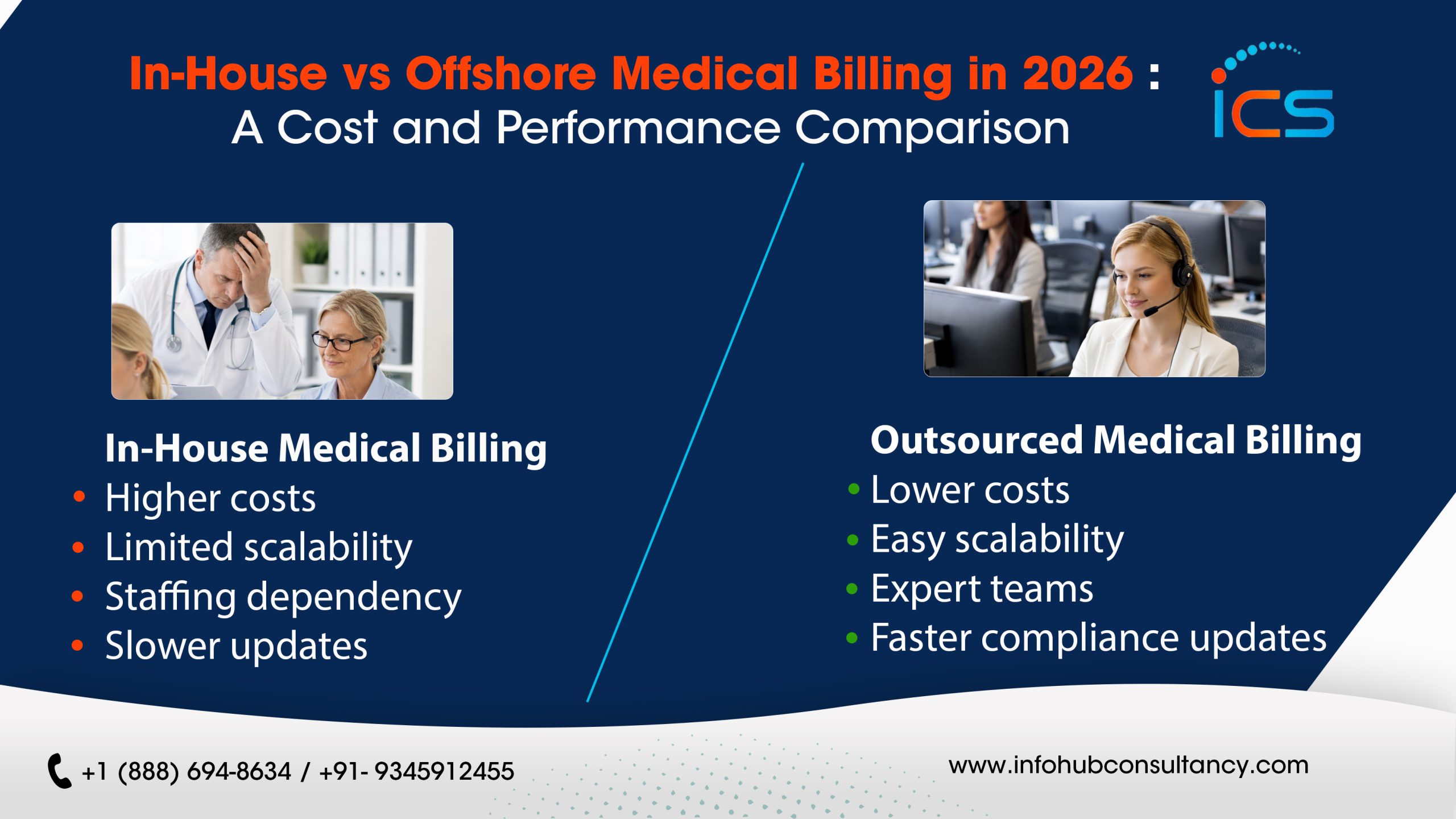
Outsourcing ASC billing to a professional company can improve results and reduce stress. Experts like InfoHub Consultancy Services provide certified coders, regular audits, and advanced tools. These services help ASCs handle complex billing tasks, stay compliant, and improve cash flow without hiring and training an in-house team.
Our team stays up to date with evolving regulatory guidelines, ensuring your ASC remains audit-ready at all times. With scalable services and real-time reporting, ICS enables better financial visibility and faster decision-making. Whether you are looking to fully outsource or need support with specific billing components, our flexible solutions grow with your center.
Want to stay compliant to get maximum reimbursement? Let InfoHub Consultancy Services be your trusted partner in ASC billing.
FAQs
1. What are common red flags in ASC billing audits?
Inconsistent coding patterns, missing documentation, and unusual claim volume often trigger audits.
2. Do ASCs need to verify NPI and provider credentials regularly?
Outdated or incorrect provider data can cause claim denials and compliance risks.
3. Why should ASCs monitor payer contract terms?
Understanding contract terms prevents underpayments and helps negotiate better reimbursement rates.