Revenue Cycle Management
  Insurance Verification
  Appointment Scheduling
  Charge Entry
  Denials Management
  Medical Billing
  Claims Submissions
  Payment Posting
  AR – Follow-ups
  Medical Coding
  Reporting
  Patient’s Statement
  Authorization
  Charge Review & Auditing (Coding & Billing)
  Compliance & Audit Readiness
  Clearing House & EDI Management
  Credentialing
  View All 65
Specialties
View All 65
Specialties Allergy and Immunology
  Ambulance
 Ambulatory Surgical Center
 Anesthesia
 Assisted Living Facility (ALF)
 Behavioral Health
 Cardiology
 Chiropractic
 Chronic Care Management (CCM)
 Community Behavioral Health
 Dental
 Dermatology
 Durable Medical Equipment
 Emergency Room
 Endocrinology & Diabetes
 Family Practice
 Gastroenterology
 General Surgery
 Geriatrics
 Healthcare
 7 mins read
 A busy Monday morning in a radiology department: the waiting room is full, the phones keep ringing, and radiologists are rushing to read scans. In the middle of this, the billing team struggles with piles of reports while trying to match each patient’s procedure with the correct medical codes. One small error – a wrong code, a missing detail – could mean a denied claim, delayed payment, or extra hours spent fixing mistakes.
As per the survey, denials are common and data errors are a leading cause. This indicates that the hours are lost in chasing paperwork instead of focusing on patients. RIS-PACS integration bridges this gap by automatically linking images, reports, and patient details with billing information. No more manual cross-checking, no more mismatched codes – just a smooth, accurate flow from diagnosis to payment, keeping both the workflow and cash flow healthy.
Overview of RIS and PACS in Radiology
Radiology Information System (RIS) and Picture Archiving and Communication System (PACS) are core technologies whereby RIS manages the non-image side of radiology and PACS focuses on the image side.
RIS is a software tool used to manage patient scheduling, track imaging exams, generate diagnostic reports, and streamline billing workflows. It ensures that patient details, appointments, and procedural information are all organized in one place. In contrast PACS is focused on handling digital images. It stores, retrieves, and shares medical images like X-rays, CT scans, and MRIs in a standardized digital format to eliminate the need for physical films.
When these two systems are connected, clinical imaging data (from PACS) can be linked with patient demographics, diagnostic codes and billing details (from RIS). This connection ensures that image-based diagnoses are linked with accurate demographic and coding data for comprehensive care management.
Role of Integration in Radiology Billing and Coding
Integrating RIS and PACS with billing systems creates a seamless bridge between clinical imaging and financial workflows. As soon as an exam is completed, patient and procedure details flow automatically from RIS/PACS into the billing platform which removes the need for duplicate data entry. This direct connection also links diagnostic reports to the correct CPT, HCPCS, and ICD-10 codes in real time to ensure that each service is coded accurately from the start. As a result, the risk of coding errors is significantly reduced by minimizing manual input, which leads to cleaner claims, fewer payment delays, and faster reimbursements. Ultimately, such an integration enhances efficiency and also strengthens the accuracy and compliance of radiology coding and billing.
How RIS and PACS Integration Enhances Radiology Billing
When RIS and PACS work together, they create a seamless link between imaging workflows and billing systems. This allows the billing team to enhance radiology billing and coding as follows:
- Improves Charge Capture
A common challenge in radiology billing is missed or incomplete charges often caused by gaps in communication between clinical and billing teams. With RIS and PACS integration, every imaging procedure that is scheduled, performed, and reported is automatically captured in the billing workflow. The system ensures that no service is overlooked, whether it is a complex MRI or a routine X-ray while also avoiding duplicate billing. This level of automation allows practices and hospitals to maximize reimbursement potential and maintain a steady revenue flow.
- Speeds Up Claim Submission
The time between performing a diagnostic study and receiving payment depends heavily on how quickly a claim is prepared and sent. Integration eliminates the need for billing teams to gather details from multiple systems manually. Instead, patient demographics, imaging results, procedure details, and applicable codes flow directly into the claim form in real time. This streamlined process not only accelerates claim submission but also reduces the likelihood of delays caused by missing or mismatched data which allows providers to maintain healthier cash flow.
- Strengthens Compliance
Regulatory compliance in healthcare billing is non-negotiable, especially under HIPAA, CMS guidelines, and payer-specific policies. Integration ensures that all transmitted data is secure, encrypted, and stored in accordance with privacy standards. It also aligns billing records with clinical documentation which makes it easier to demonstrate that claims are supported by medical necessity and accurate reporting. This not only safeguards against financial penalties and payer disputes but also ensures that facilities are always audit-ready.
How RIS and PACS Integration Improves Documentation
The integration of RIS and PACS transforms how documentation is managed and accessed. This improves efficiency, transparency, and record accuracy across the entire radiology department as:
- Centralized Patient Records
Instead of having imaging data stored in one system, reports in another, and billing information in a separate database, integration creates a single and centralized patient record. This record contains everything from appointment schedules and imaging studies to diagnostic interpretations and related billing information. In fact, authorized staff can quickly retrieve the full history without wasting time switching between systems or requesting records from other departments. This not only speeds up patient care but also ensures that all decisions are based on complete, accurate information.
- Audit-Ready Data
Healthcare providers often face audits from payers or government agencies that require them to produce detailed records promptly. Integrated RIS and PACS systems store documentation in a structured, organized way, complete with timestamps, report versions and access logs. This makes it easy to trace the history of a patient’s care and confirm that billing is supported by appropriate documentation. Therefore, the presence of this level of readiness can significantly reduce the stress and time involved in responding to audits, while also minimizing the risk of unfavorable findings.
- Better Team Collaboration
Radiologists, coders, and billing teams may work with different versions of data in a non-integrated setup, which leads to miscommunication and errors. With integration, everyone works from the same synchronized record, updated in real time. If a report is amended, the change is instantly visible to all relevant teams to prevent any confusion. This collaborative environment helps resolve discrepancies faster, improves the accuracy of both documentation and billing, and ensures that patient care remains the top priority without administrative delays.
Best Practices for Successful RIS – PACS Integration in Billing
You need the right systems, prepared staff, and and the right billing operating model—whether in-house or with a specialized partner (onshore or offshore)—to maximize the benefits of RIS-PACS integration. Here are some essential strategies to ensure smooth, accurate, and secure billing operations–
- Choose Interoperable Systems
It is important to select RIS and PACS software that can easily share information with each other. They should follow standard formats like DICOM for images and HL7 for patient data. It is crucial to choose a system that also has a billing module or works well with billing software as it ensures that information moves smoothly from the scan to the bill. This helps reduce mistakes and speeds up payments.
- Train Staff on Integrated Workflows
Even the best system will not work well if staff do not know how to use it properly. Provide training for radiologists, technicians, and billing staff so they understand each step of the process from scheduling the patient to sending the final bill. In fact, training should include how to enter information correctly, choose the correct codes, and check reports. This will help avoid errors and improve the speed of billing.
- Conduct Periodic System and Process Audits
Regular audits help ensure that the integration is working correctly. This includes checking if all services are being billed, if the right codes are used, and if there are no duplicate charges. Audits can also find any delays or problems in the workflow so they can be fixed quickly.
Consider Outsourcing Radiology Billing
Even with RIS and PACS integration, managing billing and documentation can still be complex. Outsourcing radiology billing and coding services providers in India such as Info Hub Consultancy Services can streamline the process further. These providers have trained experts who specialize in radiology workflows and understand how to make the most of RIS and PACS data. They use advanced billing software that works seamlessly with integrated systems to ensure claims are accurate, compliant and processed quickly.
FAQs
1. Does RIS-PACS integration improve patient experience?
It reduces delays and helps deliver faster results.
2. Is integration useful for multi-location radiology practices?
It enables seamless data sharing across sites.
3. Can integrated systems support tele-radiology?
They allow secure remote access to images and reports.
4. Does integration require cloud-based systems?
Cloud options can improve accessibility and storage.
Related Blogs
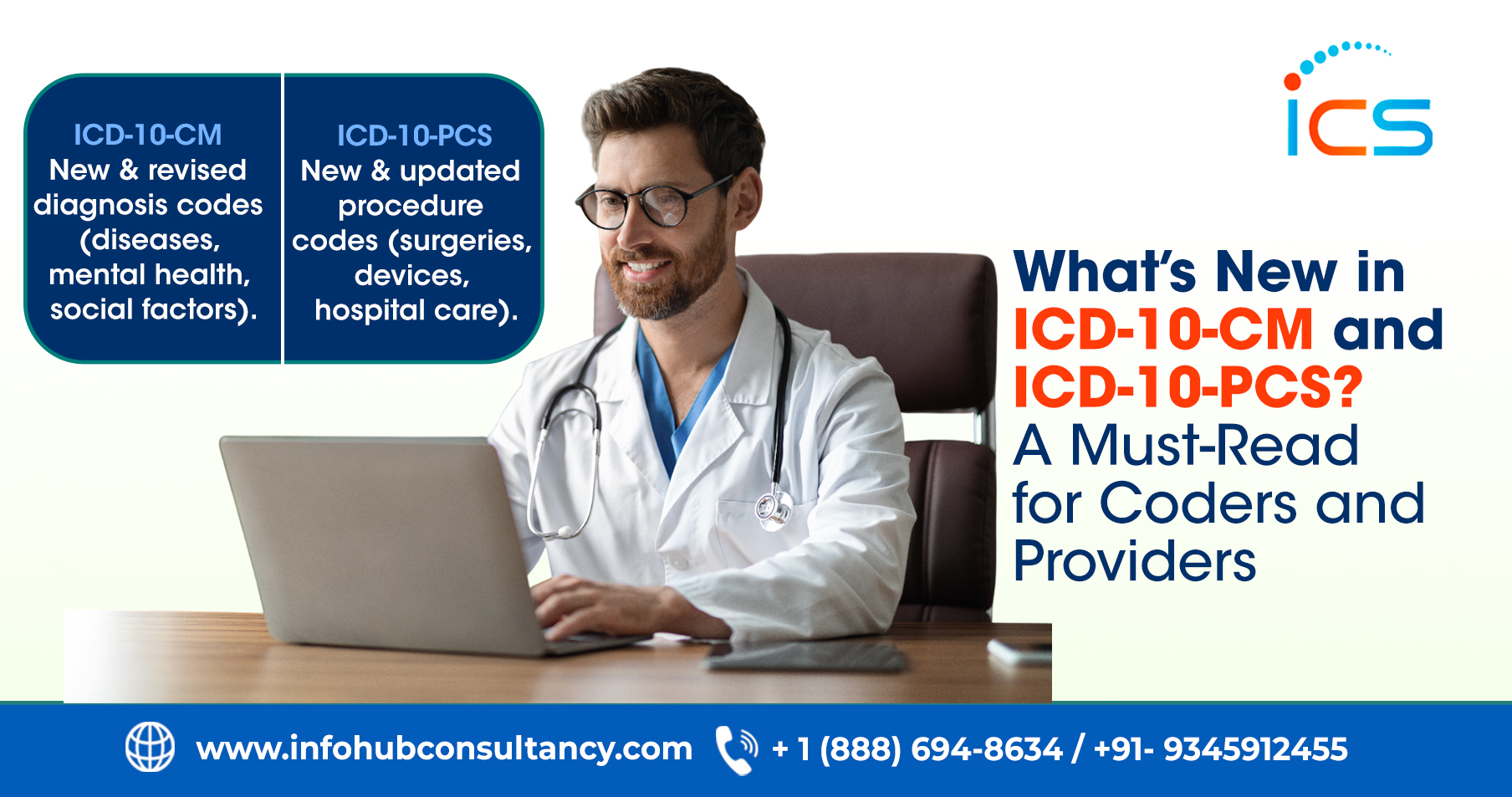
Did you know that ICD-10 codes change every year and have a direct impact on hospitals, coders, and providers? ICD-10-CM Read more
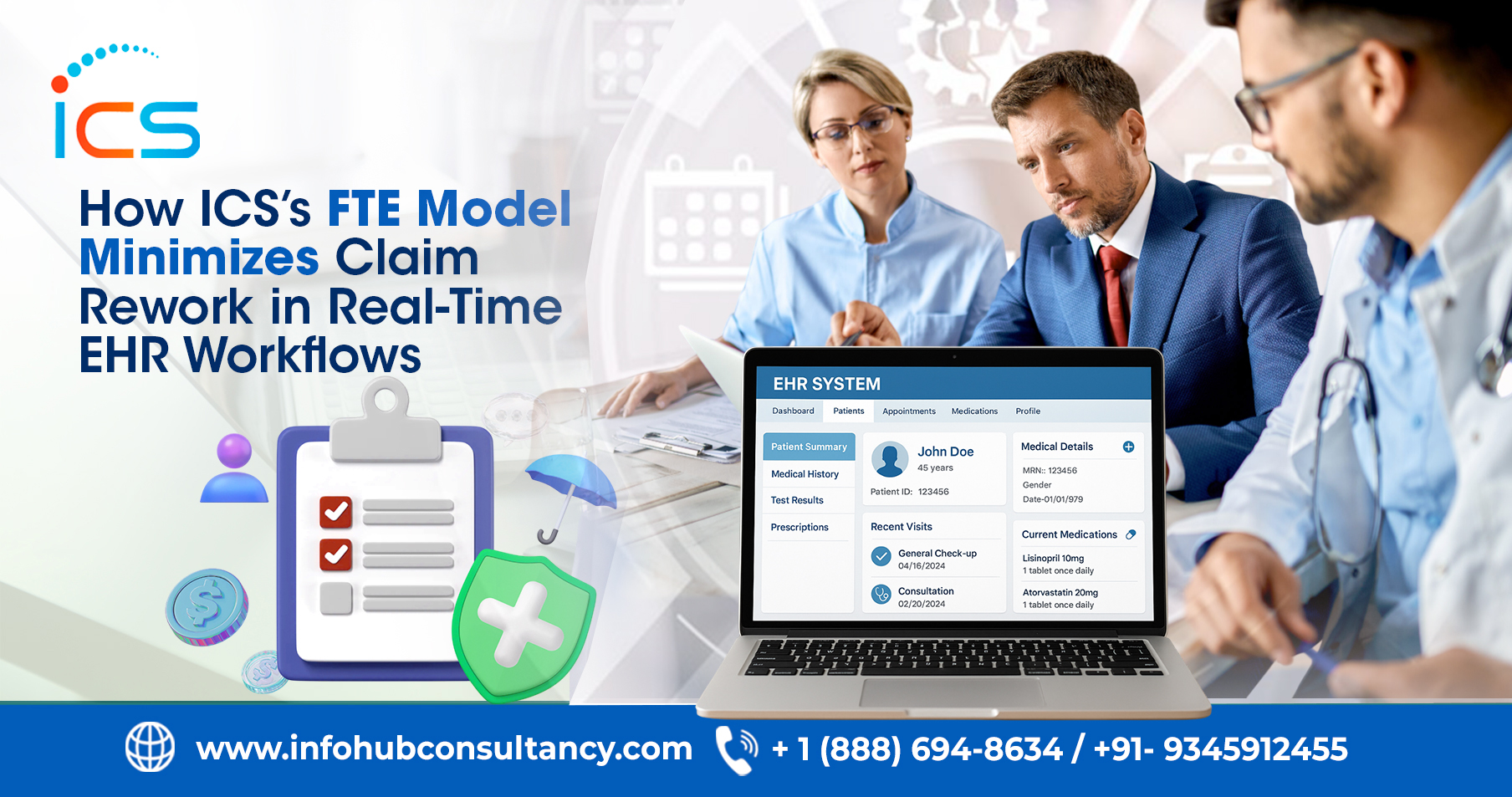
Did you know that around 19% of applicants were denied at the first attempt in 2023? Many healthcare providers also Read more

Every day, healthcare providers face increasing financial pressures. In fact, rising costs, stricter reimbursement policies and complex payer rules make Read more