Revenue Cycle Management
  Insurance Verification
  Appointment Scheduling
  Charge Entry
  Denials Management
  Medical Billing
  Claims Submissions
  Payment Posting
  AR – Follow-ups
  Medical Coding
  Reporting
  Patient’s Statement
  Authorization
  Charge Review & Auditing (Coding & Billing)
  Compliance & Audit Readiness
  Clearing House & EDI Management
  Credentialing
  View All 65
Specialties
View All 65
Specialties Allergy and Immunology
  Ambulance
 Ambulatory Surgical Center
 Anesthesia
 Assisted Living Facility (ALF)
 Behavioral Health
 Cardiology
 Chiropractic
 Chronic Care Management (CCM)
 Community Behavioral Health
 Dental
 Dermatology
 Durable Medical Equipment
 Emergency Room
 Endocrinology & Diabetes
 Family Practice
 Gastroenterology
 General Surgery
 Geriatrics
 Healthcare
 7 mins read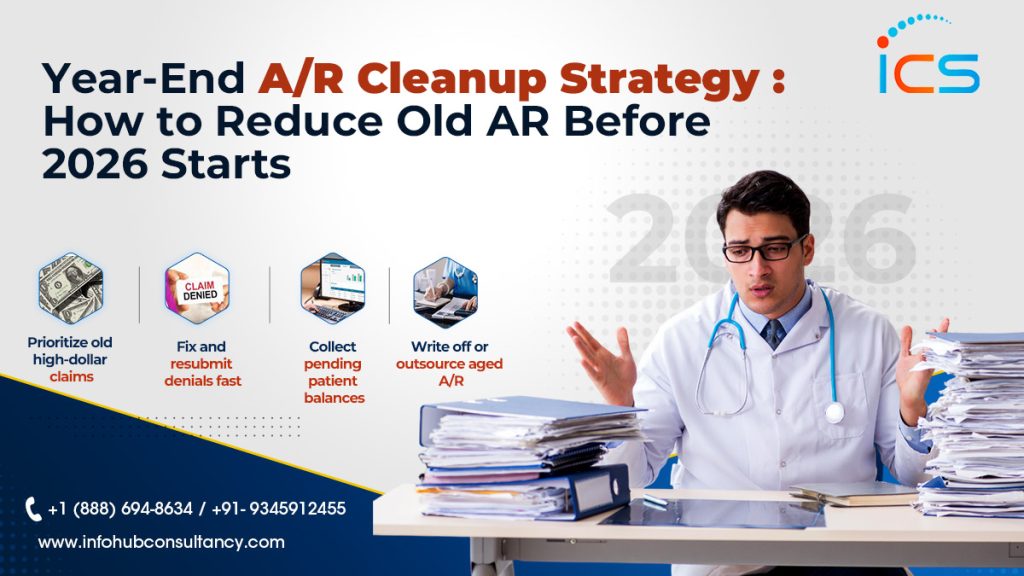
Is your practice heading into 2026 with aging accounts receivable still weighing down cash flow?
Are old claims, unresolved denials, and unpaid patient balances silently affecting your financial performance?
As year-end approaches, tackling overdue AR becomes essential to stabilize revenue and prevent the same issues from recurring next year. This blog explains how a focused year-end AR cleanup strategy can reduce past-due AR and position your practice for a stronger start in 2026.
Year-End Strategic AR Cleanup Plan (Reactive Strategy)
-
Comprehensive AR Aging Review
A comprehensive AR aging review provides a clear picture of the amount of uncollected money and the most significant challenges. Additionally, segmenting accounts by payer type, aging bucket and denial patterns allows the team to understand which claims are at risk of becoming uncollectible. This approach also highlights long-standing issues such as recurring delays or frequent denials from specific payers.
Moreover reviewing trends over the past months helps identify whether errors occurred during registration, coding, or claim submission. Therefore, providers can assign responsibilities more effectively and ensure that the most urgent accounts receive priority attention before the financial year closes.
-
Prioritization of High-Impact Claims
Prioritizing high-impact claims allows healthcare organizations to focus their efforts where the financial benefit is greatest, especially when time is limited at year-end. As a result, claims with higher dollar values, complex services, or multiple procedures receive immediate attention as they significantly influence cash flow.
Additionally, reviewing claims that are close to their timely filing limits prevents permanent revenue loss due to missed deadlines. Understanding payer-specific patterns also helps teams focus on payers known for quicker reconsideration or predictable approval behavior. This method ensures that limited resources are used strategically and that the healthcare organization secures the highest possible revenue before account closing dates.
-
Enhanced Denial Management for Old Claims
Strengthening denial management for older claims requires careful examination of payer notes, remittance advice and historical claim movement. Furthermore identifying the root cause whether it involves missing clinical documents, coding inconsistencies or authorization gaps helps the team apply corrective actions that prevent recurring issues.
Older denials often involve multiple touchpoints for making it essential to categorize them into buckets for easier cleanup. Additionally mapping these issues to responsible departments supports better accountability and faster turnaround. This structured approach ensures that claims previously considered too challenging to resolve receive new attention, which increases the chances of successful payment recovery.
-
Streamlined Appeals and Escalation Workflows
Streamlining appeals begins with developing accurate, well-structured appeal letters tailored to payer requirements which significantly improve approval chances. Moreover, ensuring that every appeal includes complete documentation such as medical records, clinical notes and proof of medical necessity helps eliminate delays caused by incomplete submissions.
Payer-specific escalation workflows provide clear steps for following up on unresolved issues and ensure that complex cases move quickly to higher review levels. Additionally, tracking appeal outcomes offers valuable insights into payer behavior and areas for internal improvement. This structured workflow not only improves efficiency but also enhances long-term claim success rates.
-
Organized Follow-Up and Work Queues
Organized follow-up systems help staff manage workloads more effectively and reduce the likelihood of missed payment recovery opportunities. In fact assigning tasks based on payer characteristics or aging categories supports focused work as team members become more familiar with payer expectations and denial patterns.
Additionally, setting weekly targets encourages consistent progress and ensures that no large group of claims remains untouched for extended periods. Automated reminders and task management tools help staff stay up to date on deadlines and follow-up cycles for reducing the risk of oversight. This structured follow-up significantly strengthens AR performance during the year-end period.
-
Strengthened Patient AR Collection Efforts
Strengthening patient AR efforts requires a consistent approach that ensures patients are aware of their financial responsibilities early in the process. In fact, collecting balances during in-office visits helps reduce outstanding receivables and minimizes post-visit workload for billing teams.
Moreover, offering flexible payment plans during the year-end season encourages patients to settle their accounts without financial strain. Automated reminders sent through SMS or email help keep patients informed of outstanding balances and payment deadlines. These measures collectively improve patient engagement, increase collection rates, and support a smoother year-end financial closing.
Prevention Strategies for 2026 (Proactive Strategy)
-
Strengthened Eligibility and Authorization Controls
Strengthening eligibility and authorization processes ensures that coverage details are accurate before services are provided which helps reduce avoidable denials. In fact using real-time verification tools allows staff to confirm benefits instantly and identify coverage limits or policy requirements.
Additionally, automated authorization systems help teams capture approvals more efficiently and maintain proper documentation for each case. These controls reduce administrative work, minimize financial risk and support healthier reimbursement cycles throughout the year. As a result, providers benefit from more consistent claim outcomes and fewer disruptions in revenue flow.
-
Accurate Documentation and Coding Practices
Accurate documentation and coding remain essential for maintaining compliance and ensuring that claims reflect the services rendered. Annual coding audits help identify inaccuracies and prepare the team for upcoming CMS 2026 revisions. Also, regular training ensures that coders and clinical staff understand code updates, documentation rules, and payer-specific guidelines.
Thereby clear and detailed documentation supports medical necessity and strengthens the justification required for successful claim approval. Consistent accuracy improves reimbursement rates, reduces repeat denials and enhances the hospital’s overall revenue performance.
-
Clean Claim Submission Through Automation
Automation plays a key role in improving claim accuracy and reducing processing delays. In fact claim scrubbers detect missing data, formatting errors, or coding inconsistencies before claims reach the payer for preventing first-pass denials.
Additionally, automated validation tools ensure that claims comply with payer-specific rules and requirements. These systems reduce manual workload, improve submission speed and increase acceptance rates on the first attempt. Therefore, clean claim submissions support steady cash flow and minimize the need for repeated rework or appeal involvement.
-
Clear Patient Financial Communication
Clear, transparent communication helps patients understand their financial obligations and reduces confusion about billing. In fact providing easy-to-read statements, upfront estimates and simple explanations of benefits allows patients to make informed decisions about their payments.
Additionally offering digital tools such as online portals and mobile payment options improves convenience and encourages timely settlement. These measures help build trust, reduce disputes and enhance the overall payment experience. Therefore, strong communication ultimately leads to better patient engagement and higher collection rates.
-
Continuous Monitoring with Key Performance Indicators
Continuous monitoring using key performance indicators provides providers with insight into financial performance and emerging AR challenges. Metrics such as days in AR, denial rate, AR over 90 days, and net collection rate reveal efficiency levels and areas requiring improvement. Monthly dashboards consolidate this information into simple, visual formats that help leadership track progress.
In fact consistent monitoring supports early intervention when trends shift or performance declines. Such a proactive approach strengthens financial planning and ensures more predictable revenue outcomes throughout the year.
Outsourcing Year-End AR Cleanup When Required
Offshore medical billing and coding services in India are a practical solution when practices face overwhelming backlogs, insufficient staffing, or complex denials. In fact external AR specialist teams such as InfoHub Consultancy Services bring extensive industry expertise to allow them to resolve high-risk claims more efficiently.
Additionally, they use advanced tools, analytics and payer-specific strategies that help accelerate recovery within short timelines. Outsourcing also frees internal staff to focus on current claims and daily operations without falling behind. Consequently healthcare organizations benefit from improved cash flow, reduced aging balances, and greater financial stability as they enter the new year.
FAQS
Should practices adjust their financial policies during year-end cleanup?
It is a good time to evaluate and refine policies to strengthen next year’s collections.
Can year-end AR cleanup enhance audit readiness?
It guarantees all accounts are organized and compliant before internal or external audits.
How does year-end AR cleanup support strategic decision-making?
It offers clearer financial insights that guide operational and investment decisions.
Related Blogs
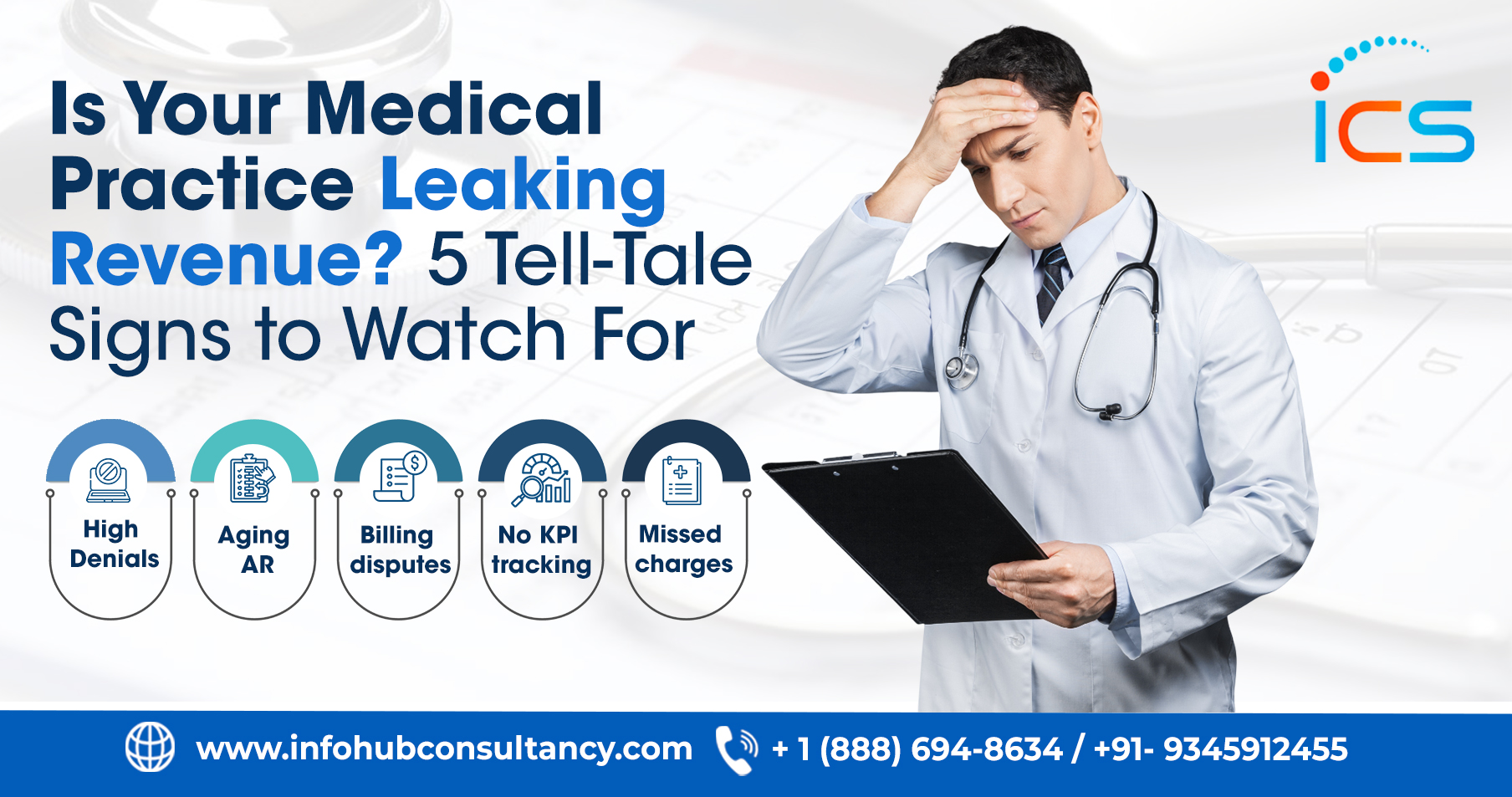
Did you know why your medical practice still struggles with cash flow, even when patient visits are at an all-time Read more
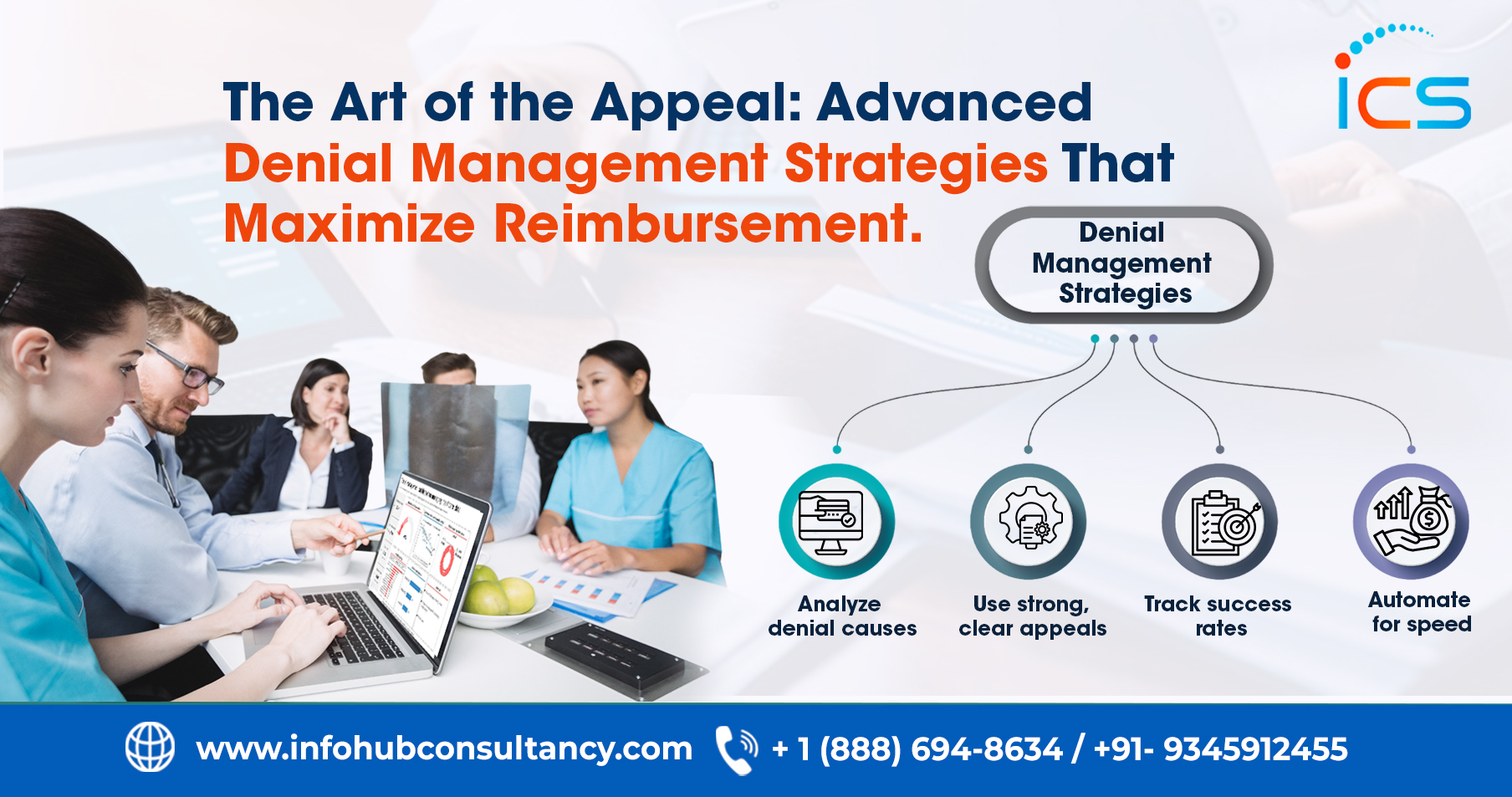
Claim denials are a significant drain on provider revenue and operational efficiency. According to the latest research, insurers denied approximately Read more
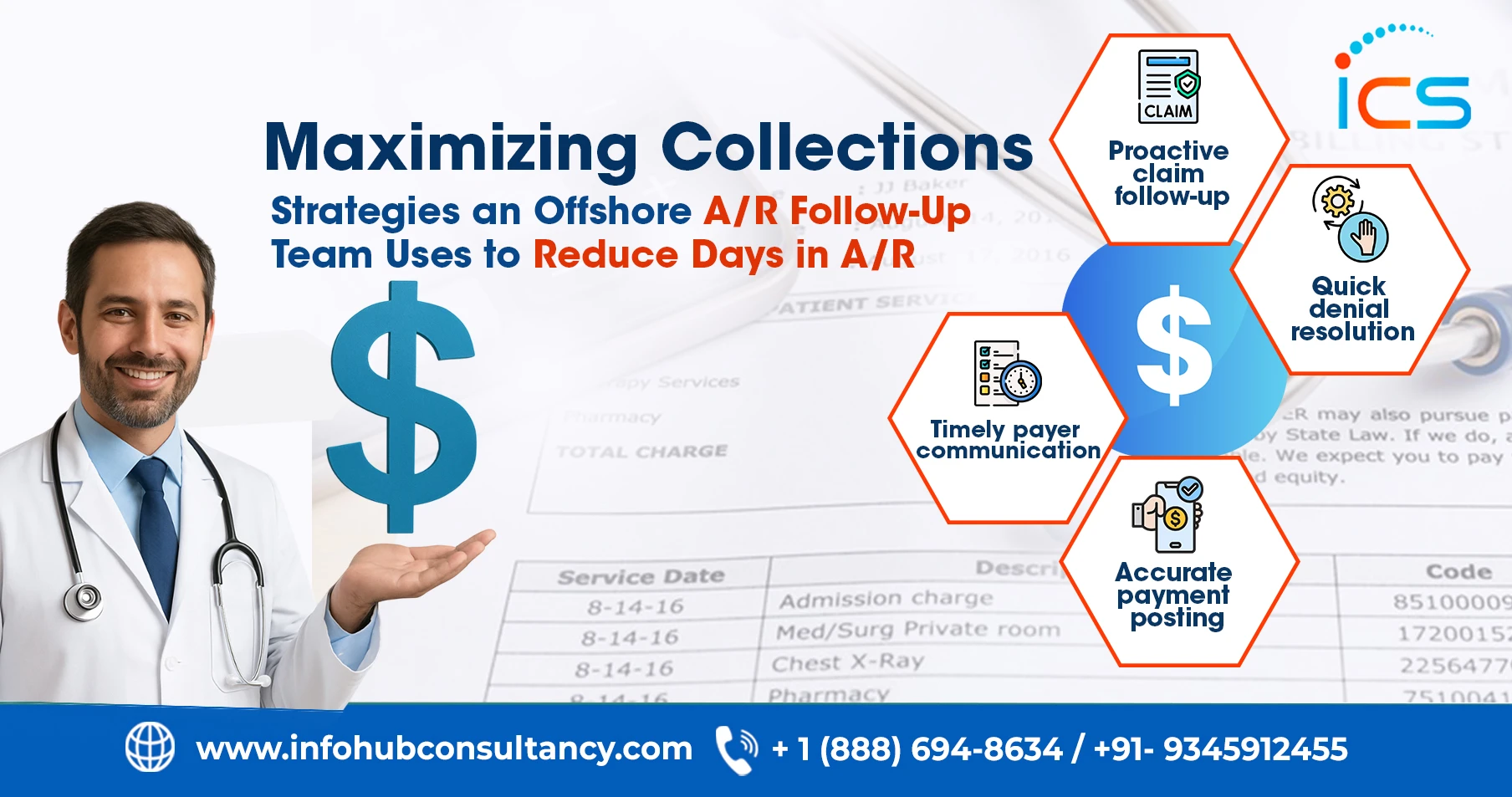
Have you ever questioned why some healthcare organizations manage to receive reimbursements quickly whereas others struggle with long payment delays? Read more