Revenue Cycle Management
  Insurance Verification
  Appointment Scheduling
  Charge Entry
  Denials Management
  Medical Billing
  Claims Submissions
  Payment Posting
  AR – Follow-ups
  Medical Coding
  Reporting
  Patient’s Statement
  Authorization
  Charge Review & Auditing (Coding & Billing)
  Compliance & Audit Readiness
  Clearing House & EDI Management
  Credentialing
  View All 65
Specialties
View All 65
Specialties Allergy and Immunology
  Ambulance
 Ambulatory Surgical Center
 Anesthesia
 Assisted Living Facility (ALF)
 Behavioral Health
 Cardiology
 Chiropractic
 Chronic Care Management (CCM)
 Community Behavioral Health
 Dental
 Dermatology
 Durable Medical Equipment
 Emergency Room
 Endocrinology & Diabetes
 Family Practice
 Gastroenterology
 General Surgery
 Geriatrics
 Healthcare
 6 mins read
 In the modern dynamic healthcare environment, it is critical to have precise and compliant wound care billing. This is especially applicable in skin substitute grafts and site preparation procedures, where documentation and coding must align with CMS and payer-specific policies.
With wound care billing becoming increasingly complex, a lot of providers are utilizing offshore medical billing and coding services in India to streamline operations, reduce costs, and enhance claim accuracy. This blog will talk about how wound care providers can effectively code skin grafts and site preparation procedures while avoiding denials, delays, and potential audits.
Understanding Skin Substitute Grafts and Site Prep
Skin substitute grafts refer to bioengineered or biological materials used to promote wound healing in chronic ulcers, burns, or surgical wounds. They serve as temporary or permanent coverings that support tissue regeneration. These grafts are typically applied after site preparation, which involves debridement, cleansing, and establishing an optimal wound bed.
Proper coding and documentation of these procedures demand a detailed understanding of when to report site preparation separately, how to differentiate application techniques, and how to identify whether the graft is cellular or acellular. In such scenarios, outsourcing medical billing and coding services providers in India are the pain-relievers who are often trained to apply these distinctions in coding, offering specialized expertise that supports accurate and compliant claims.
CPT Codes for Skin Graft Procedures
Coders are required to utilize the proper CPT codes when billing for skin substitute grafts and site preparation. A thorough list, categorized by anatomical site and graft material type, is provided below:
● Application of Skin Substitute Grafts (Effective 2024 CPT guidelines):
- 15271: Application of skin substitute graft to trunk, arms, legs; first 25 sq cm or less
- 15272: Each additional 25 sq cm or part thereof
- 15273: Application to face, scalp, eyelids, mouth, neck, ears; first 25 sq cm or less
- 15274: Each additional 25 sq cm or part thereof
- 15275: Application to hands, feet, or genitalia; first 25 sq cm or less
- 15276: Each additional 25 sq cm or part thereof
● Autografts and Tissue-Cultured Grafts:
- 15100: Split-thickness autograft, trunk, arms, legs; first 100 sq cm
- 15101: Each additional 100 sq cm
- 15110: Epidermal autograft, trunk, arms, legs; first 100 sq cm
- 15111: Each additional 100 sq cm
● Allograft or Xenograft Placement:
- 15120: Full-thickness allograft, including direct closure
- 15130: Dermal autograft, including harvest
- 15136–15157: Tissue-cultured skin substitute grafts (site-specific)
● Site Preparation (when not included in the application code):
- 97597: Selective debridement, first 20 sq cm
- 97598: Each additional 20 sq cm
- 11042–11047: Debridement by depth and size
- 15002–15005: Surgical preparation of the recipient site
It is important to note that medical coders must cross-reference NCCI edits to determine when debridement or site prep is bundled into the graft code. Therefore, accurate usage guarantees the maximum reimbursement and helps prevent claim rejections.
Common Billing and Compliance Challenges
● Incomplete Documentation of Wound Size
Most claims are denied when critical details, including wound size, graft tissue, and anatomical site, are not well-documented. Wound care coders and billers should ensure that they enter complete and accurate information to facilitate exact CPT coding, thereby avoiding unnecessary denials and rework on claims.
● Inconsistent Use of Modifiers
Misuse or inconsistent utilization of modifiers, such as -59 or -XS can compromise the validity of wound care claims. These modifiers indicate that procedures performed on the same day are separate. Wound care coding staff must be trained to apply modifiers correctly to ensure audit-proof compliance and optimal reimbursement.
● Bundling Errors with Site Prep
Debridement is often incorrectly billed as a separate procedure when it should be included with the CPT code for skin substitute grafts, especially during wound site preparation. These errors can lead to audits for overbilling. The providers should rigorously follow NCCI edits to ensure compliance with bundling rules.
● Inadequate Diagnosis Support
Even with accurate CPT selection, insufficient diagnosis support can result in denial. ICD-10 codes must justify the necessity of grafting based on the wound characteristics. Wound care providers must verify that clinical records support the preparation of the site for wound care and skin graft procedures in an appropriate manner.
● Mismatched Units and Measurements
Graft codes are based on square centimetres. Mistakes in measuring or converting wound sizes lead to coding mismatches and revenue loss. The in-house coding and billing team should rely on standardized documentation tools that ensure accurate calculation of units for CPT coding, particularly for skin substitute grafts.
Best Practices to Overcome Common Challenges
● Standardized Documentation Templates
It is crucial to promote the use of EHR-integrated templates to let clinicians accurately record and document wound dimensions, anatomical sites, and materials used. These templates provide support to the coders, whether in-house or outsourcing medical coding and billing services providers in India, by reducing ambiguity and aligning documentation as per the CPT coding requirements.
● Regular Coding Audits
Routine internal audits are vital for maintaining accuracy. Wound care providers should conduct monthly reviews to identify errors early, before they result in denials. Audits help refine documentation, modifier use, and reporting of site preparation for wound care.
● Proper Use of Modifiers and NCCI Edits
Correct modifier usage and referencing NCCI guidelines are essential. For example, graft and debridement procedures during wound care site preparation often fall under complex bundling rules. The in-house coding teams should be trained to recognize and apply these rules correctly to prevent improper unbundling.
● Clinician-Coder Collaboration
Successful wound care billing requires close communication between physicians and coders. Coders should be encouraged to query unclear notes to ensure CPT coding for skin substitute grafts is based on accurate, verified documentation.
● Integrating Coding Software and AI Tools
Wound care practices can integrate AI-powered coding tools that validate CPT and ICD-10 pairings. These solutions identify issues in wound care site preparation and improve compliance by flagging discrepancies in real time during the claim preparation process.
Conclusion
Wound care billing involves several complexities and demands strict compliance with regulatory standards, particularly in cases that include skin substitute grafts and site preparation. To navigate these challenges effectively, clinics can work with skilled coders who understand CPT coding, proper documentation, and insurance-specific rules.
Partnering with experienced offshore billing and coding companies in India—such as Info hub Consultancy Services—can help reduce denials, improve reimbursement accuracy, and keep clinics prepared for audits. By combining best practices with expert support, wound care providers can streamline their billing operations, ensure compliance, and maintain financial health.
FAQs
1. Is patient data safe with offshore billing services?
Certified providers follow HIPAA-compliant protocols and global security standards.
2. Can outsourcing support scalability for wound care practices?
Offshore billing easily scales with growing patient volume without infrastructure expansion.
3. How long does on boarding take with an offshore billing partner?
Most transitions are completed within 1–2 weeks, provided proper documentation and system access are in place.
4. When should site preparation be coded separately in wound care?
Only when not bundled under the graft application code, as per NCCI edits.
5. How can EHR templates help reduce coding compliance errors?
They prompt clinicians to enter all required wound data for accurate coding and billing.
6. What documentation supports the medical necessity of the skin graft?
Wound type, size, depth, duration, graft material, and prior treatment failure.
Related Blogs
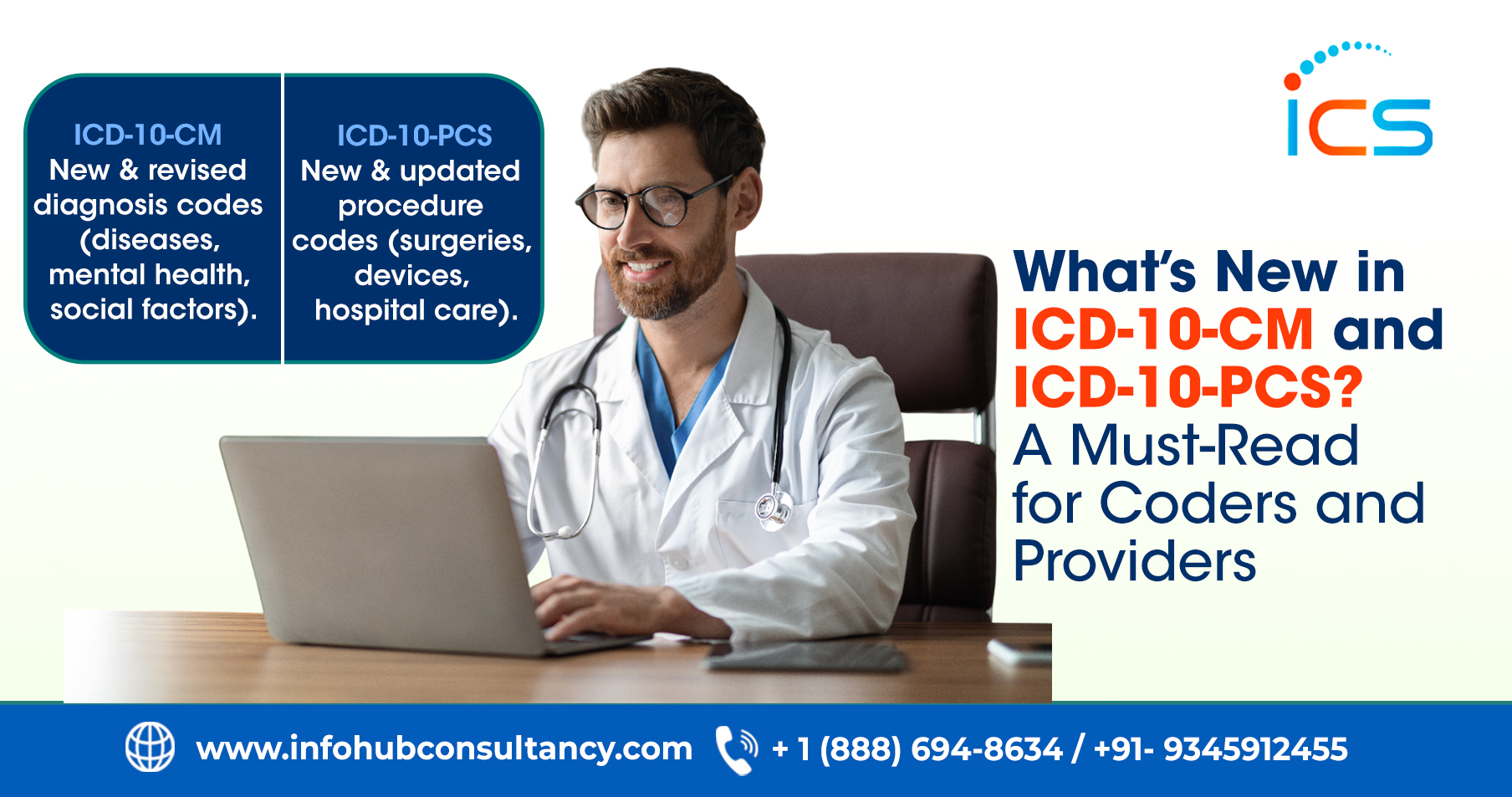
Did you know that ICD-10 codes change every year and have a direct impact on hospitals, coders, and providers? ICD-10-CM Read more
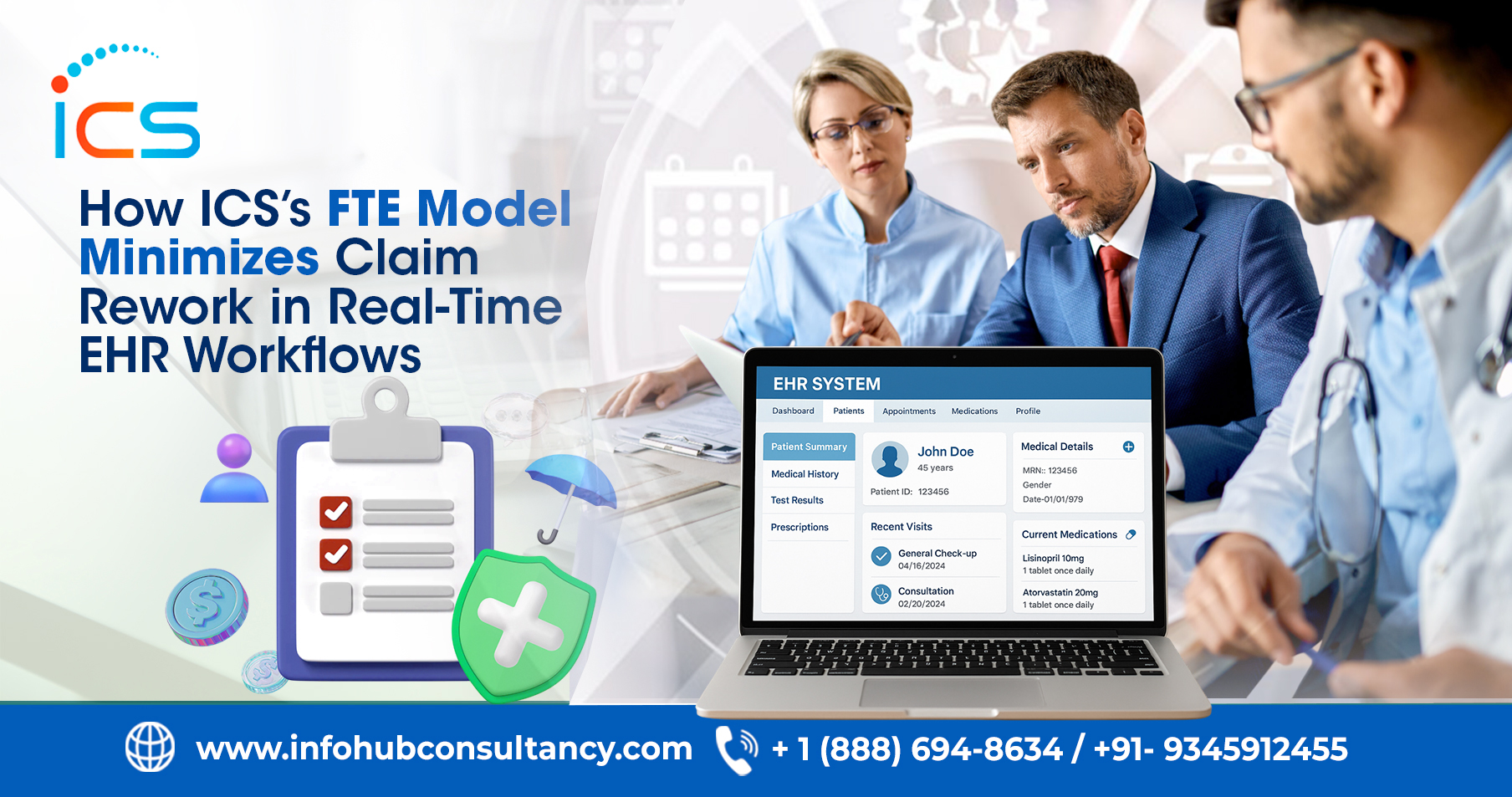
Did you know that around 19% of applicants were denied at the first attempt in 2023? Many healthcare providers also Read more

Every day, healthcare providers face increasing financial pressures. In fact, rising costs, stricter reimbursement policies and complex payer rules make Read more